



Follow-up and monitoring
Repeat Pap, HPV and cervicography at set intervals. Many mild changes return to normal on their own.
CIN 1, ectropion10 Street Name, City Name
Country, Zip Code
555-555-5555
myemail@mailservice.com
Cervical lesion treatment covers the ways doctors manage an abnormal area on the cervix, from precancerous cell changes (CIN) to harmless findings like ectropion or polyps. Options range from careful follow-up to freezing, laser or removal with LEEP. At Sinsoe Women's Clinic in Gangnam, Seoul, female OB-GYNs find and follow lesions with Pap, HPV DNA testing and cervicography (₩35,000 on the published fee schedule, June 2026, confirm before your visit). Which treatments are available for you needs to be confirmed. An English-speaking coordinator can pass your results to a doctor.
Availability: Sinsoe confirms Pap smear, HPV DNA testing and cervicography to find and follow cervical changes, and treats genital warts (condyloma). Which lesion treatments can be done at Sinsoe must be confirmed for your case.
A cervical lesion is any area on the cervix that looks or tests different from normal tissue. Many are harmless, some are caused by infection, and some are precancerous changes linked to HPV.
Precancerous changes are graded as CIN 1, 2 or 3 (cervical intraepithelial neoplasia), from mild to severe. CIN 1 often clears by itself. CIN 2 and 3 are usually treated to prevent cancer.
The right treatment depends on what the lesion is, how severe it is, your age and whether you want to get pregnant. Sometimes the best treatment is careful follow-up.
A general guide. Your doctor decides based on your results and history.
| Lesion | Usual approach |
|---|---|
| CIN 1 | Usually watched with repeat Pap and HPV tests, as most clear within 1 to 2 years |
| CIN 2 | Often treated. In young women who want pregnancy, close follow-up may be offered instead |
| CIN 3 | Treated, usually by removing the area with LEEP or a cone biopsy |
| Ectropion | No treatment unless it causes bleeding or discharge; then it can be cauterized |
| Polyp | Usually removed in the clinic and sent to the lab. See cervical polyp removal |
| Cervicitis | Treated with antibiotics after testing for STDs |
These symptoms are often caused by harmless lesions, but they should always be checked.
Treatments fall into three groups. Your doctor explains which fits your lesion.
Repeat Pap, HPV and cervicography at set intervals. Many mild changes return to normal on their own.
CIN 1, ectropionFreezing (cryotherapy), laser or heat destroys the abnormal surface cells. No tissue sample is kept, so the area must be fully assessed first.
Small, visible lesionsLEEP or cone biopsy removes the abnormal area and sends it to the lab, which confirms the edges are clear. See LEEP.
CIN 2 or 3It starts with your results. The team tells you what Sinsoe can do and what comes next.
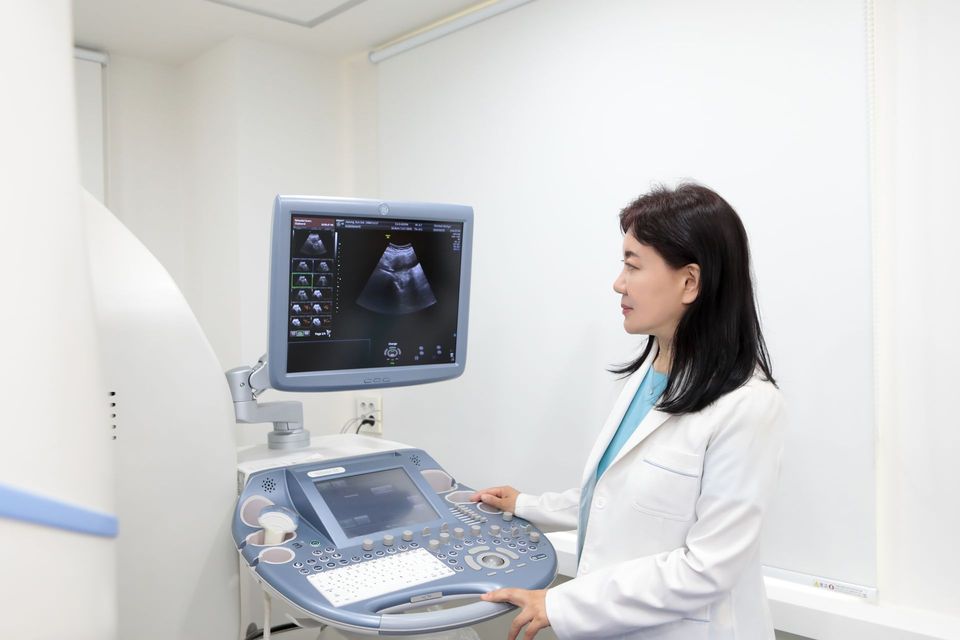

Most cervical treatments are short procedures. Here is what to expect and what to discuss.
Watery discharge is common. Avoid sex and tampons until healed.
Discharge and light bleeding. Small risk of heavier bleeding or infection.
Removing tissue can slightly raise the risk of preterm birth. Discuss if you plan pregnancy.
HPV can cause new changes, so follow-up tests continue after treatment.
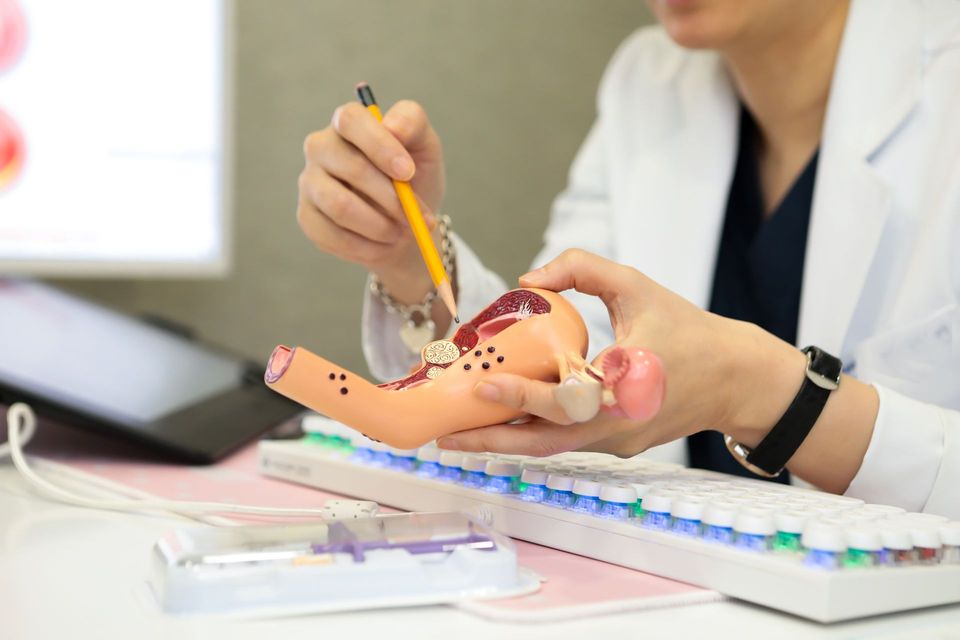
Follow-up often lasts months or years. We help you keep it on track wherever you are.
Bring your Alien Registration Card. Each follow-up result is compared with the last.
Bring your passport and your results. Your doctor can give a written plan to continue at home.
Ask for English results and a medical certificate before your visit.
Sinsoe Women's Clinic at 537 Nonhyeon-ro, Gangnam-gu, Seoul has female OB-GYNs and an English-speaking coordinator. It is a 4-minute walk from Eonju Station Exit 7 (Line 9). Message +82-10-9517-5719 on WhatsApp with your results.
Pap, HPV testing and cervicography are confirmed. Which treatments are available for your lesion needs to be confirmed. Send your results and a doctor will advise.
No. CIN 1 and ectropion often need only follow-up. CIN 2 and 3 are usually treated.
Usually ectropion, where soft cells from inside the cervix show on the outside. It is common and harmless, and only treated if it causes symptoms.
No. CIN means precancerous changes. Treating them prevents cancer.
Yes. Most women have normal pregnancies. Excision treatments slightly raise the risk of preterm birth.
It depends on the lesion and the treatment. Cervicography is ₩35,000 on the clinic's published fee schedule (June 2026). For treatment, the coordinator gives an estimate after a doctor reviews your case.
Yes. Visitors are seen as self-pay patients. Bring your passport.
Send your results in English. A female doctor reviews them and the coordinator explains the next step.
| Mon & Fri | 10:00 AM – 8:00 PM |
|---|---|
| Tue, Wed, Thu | 10:00 AM – 7:00 PM |
| Saturday | 10:00 AM – 4:00 PM |
| Sunday | Closed |