



Conventional Pap smear
Cells are spread directly on a glass slide and examined. The classic, well-established method.
Simple routine check10 Street Name, City Name
Country, Zip Code
555-555-5555
myemail@mailservice.com
A Pap smear (Pap test) collects a few cells from the cervix to check for changes that could turn into cervical cancer. At Sinsoe Women's Clinic in Gangnam, Seoul, the sample is taken by a female OB‑GYN in about five minutes, an English-speaking coordinator stays with you, and you can add an HPV test in the same visit. No Korean insurance is needed. Walk-ins welcome, Monday to Saturday.
A Pap smear, also called a Pap test or cervical cytology, is a screening test for cervical cancer. Your doctor gently takes cells from the cervix, the opening of the uterus at the top of the vagina, and a lab checks them under a microscope.
It looks for abnormal cell changes long before they become cancer. Almost all cervical cancer is caused by long-term infection with high-risk types of human papillomavirus (HPV), and these changes usually develop slowly over years. Regular screening finds them while they are still easy to treat.
Most women feel no symptoms at all when cells begin to change. That is why the test is done routinely, even when you feel completely well.
Guidelines differ a little between countries. These are the common international recommendations. Your doctor will tailor the timing to your age, history and previous results.
| Your situation | Usual recommendation |
|---|---|
| Under 21 | Routine screening is usually not needed, unless your doctor advises it. |
| Age 21 to 29 | Pap smear about every 3 years. |
| Age 30 to 65 | Pap smear with an HPV test (co-testing) every 5 years, or a Pap smear alone every 3 years. |
| Over 65 | You may be able to stop if past results were normal. Ask your doctor. |
| Abnormal result before, HIV or a weakened immune system | More frequent tests, on a schedule your doctor sets. |
| Had the HPV vaccine | Keep screening. The vaccine does not cover every cancer-causing HPV type. |
Living in Korea with National Health Insurance? Korea's national cancer screening program invites women from age 20 for cervical screening every two years. Ask the coordinator whether your visit can be done under that program.
These are often caused by something minor, but they should be checked by a doctor rather than waiting for screening.
All three start the same way, with one quick sample. The difference is how the lab processes it and what it looks for. Your doctor will suggest the right one, and the coordinator can give you a cost estimate before your visit.
Cells are spread directly on a glass slide and examined. The classic, well-established method.
Simple routine checkThe sample is rinsed into a preserving liquid, giving the lab a clearer, more even layer of cells and fewer unclear results. HPV testing can often run on the same sample.
Clearer readingAdds a test for high-risk HPV types to your Pap smear. Commonly recommended from age 30, and after an unclear or abnormal Pap result.
Most complete pictureFrom your first message to your results, you deal with the same English-speaking team.
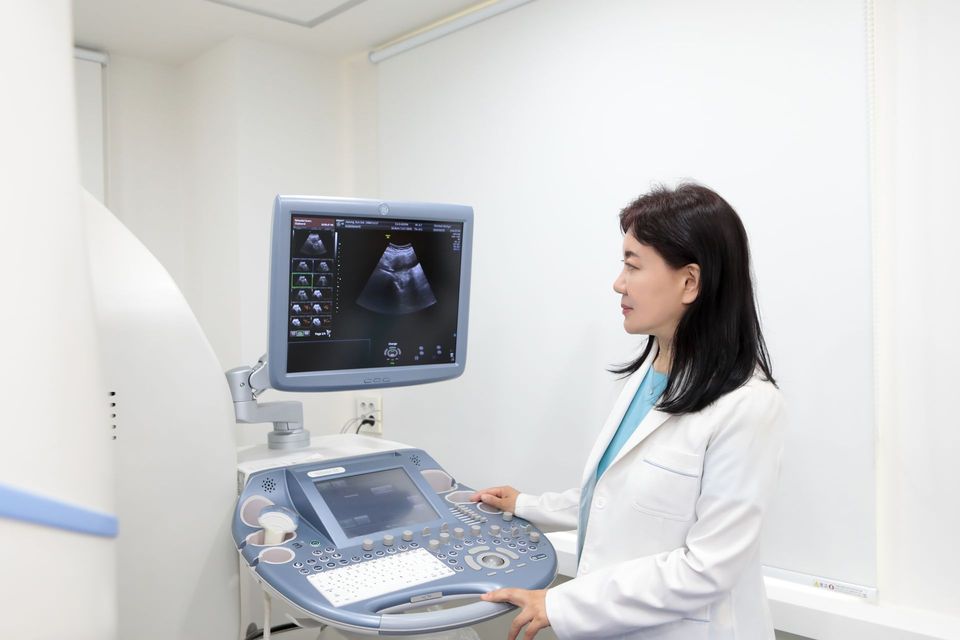
Most women feel brief pressure or mild discomfort, not pain. If this is your first pelvic exam, or a past exam was hard for you, say so. Your doctor can go slowly, explain everything as she goes, and stop whenever you ask.
You can go straight back to sightseeing, work or the gym. Light spotting for a day is normal.
The sample goes to a lab, and your doctor goes through the report with you. If you are only in Seoul for a short stay, tell us your departure date so we can plan how you receive results.
Continue routine screening on your usual schedule.
Very common and often temporary. Usually followed by an HPV test or a repeat Pap smear.
Many clear up on their own. Your doctor may suggest a closer look with colposcopy or a repeat test.
This is not a cancer diagnosis. You will be offered colposcopy and possibly a small biopsy, and if needed, treatment such as a LEEP procedure.
Want extra protection? Sinsoe offers the 9-valent HPV vaccine (Gardasil 9). See HPV vaccination.
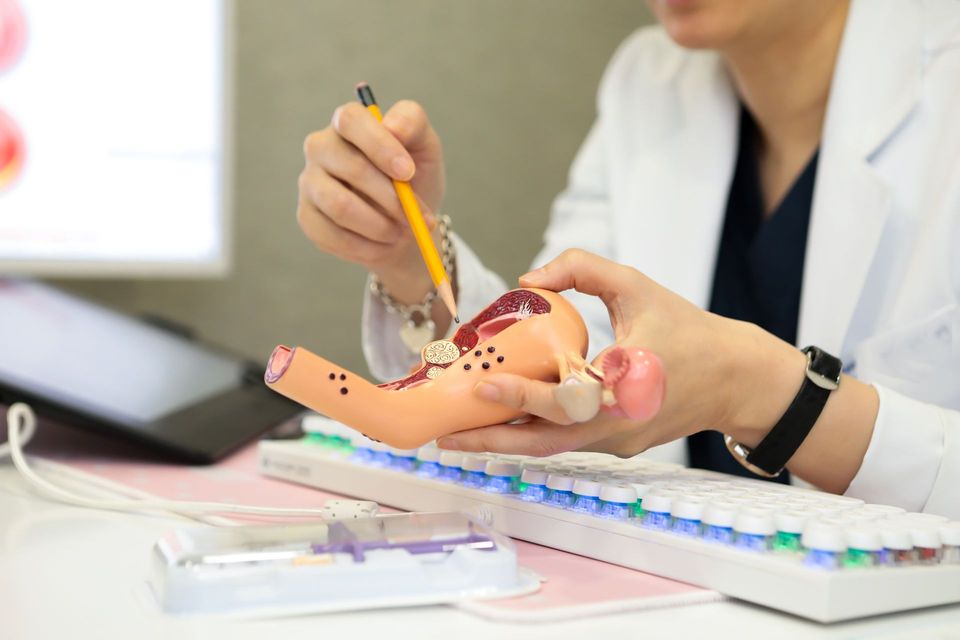
You don't need to speak Korean or have Korean insurance. Here is what helps, depending on why you are in Seoul.
Bring your Alien Registration Card. We can keep your screening on schedule and track your results year to year, together with contraception or HPV vaccination.
Bring your passport. Message us your travel dates before you fly so we can book a day that avoids your period and leaves time to go over results.
Tell the coordinator before your visit if you need an English receipt or medical certificate for an overseas insurer or employer.
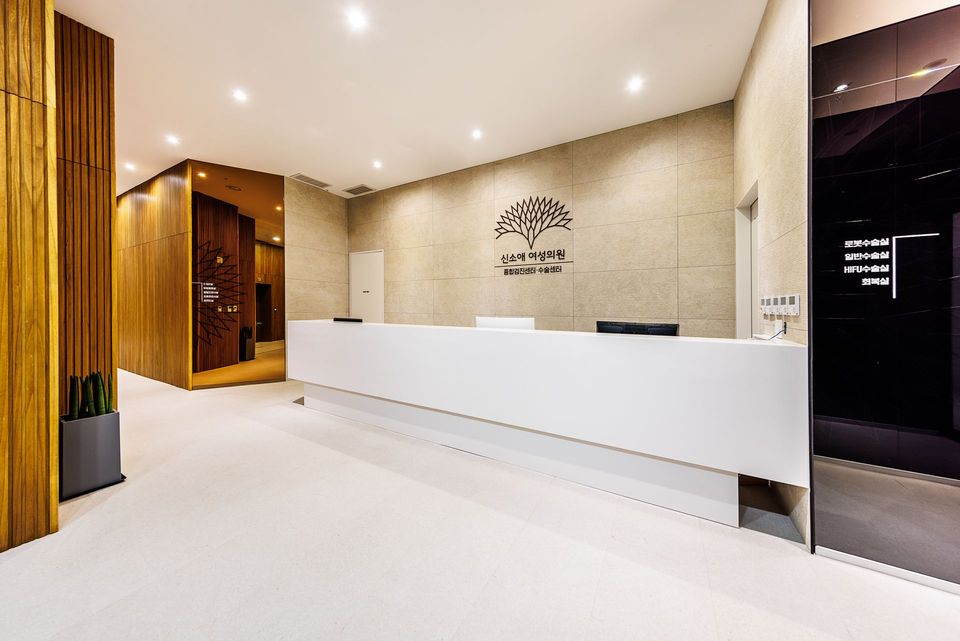
Sinsoe Women's Clinic at 537 Nonhyeon-ro, Gangnam-gu, Seoul offers Pap smears by female OB-GYNs with an English-speaking coordinator. It is a 4-minute walk from Eonju Station Exit 7 (Line 9). Book on WhatsApp at +82-10-9517-5719 or walk in during clinic hours.
Collecting the sample takes about five minutes. Including check-in and a short consultation, most visits are finished well within an hour.
Most women feel brief pressure or mild discomfort rather than pain. Tell your doctor if you are nervous or if this is your first exam. She can go slowly and stop whenever you ask.
It is best to avoid your period, because blood can make the sample harder to read. Aim for about 1 to 2 weeks after your period starts. If your timing is tight because of travel, message us and we will advise.
The cost depends on the test type (conventional, liquid-based or with an HPV test) and on whether you are covered by Korean National Health Insurance. Visitors pay as self-pay patients. Message the coordinator on WhatsApp for an estimate before your visit.
Yes. Visitors without Korean National Health Insurance can be seen as self-pay patients. Bring your passport.
A Pap smear looks for abnormal cervical cells. An HPV test looks for the high-risk virus types that cause most of those changes. Done together, called co-testing, they give the most complete picture, and both can be taken in the same quick sample.
Yes. The vaccine protects against the HPV types that cause most cervical cancers, but not all of them, so regular screening is still recommended.
Yes. Every doctor at Sinsoe Women's Clinic is a woman, including the four OB-GYN specialists who perform Pap smears.
Send a message in English with the day you'd like to come. A coordinator replies, confirms your time and tells you what to bring.
| Mon & Fri | 10:00 AM – 8:00 PM |
|---|---|
| Tue, Wed, Thu | 10:00 AM – 7:00 PM |
| Saturday | 10:00 AM – 4:00 PM |
| Sunday | Closed |