



An IUD may suit you if you
- Want reliable birth control for several years
- Find it hard to take a pill every day
- Want a hormone-free option (copper IUD)
- Have heavy periods (hormonal IUD can help)
10 Street Name, City Name
Country, Zip Code
555-555-5555
myemail@mailservice.com
An IUD (intrauterine device) is a small T-shaped device placed in the uterus to prevent pregnancy for several years. At Sinsoe Women's Clinic in Gangnam, Seoul, a female OB-GYN inserts either a hormonal IUD (Mirena) or a copper IUD in a short visit, and checks the position with ultrasound. The published fees are ₩350,000 for Mirena and ₩280,000 for a copper IUD (June 2026; confirm before your visit). An English-speaking coordinator helps you book and prepare.
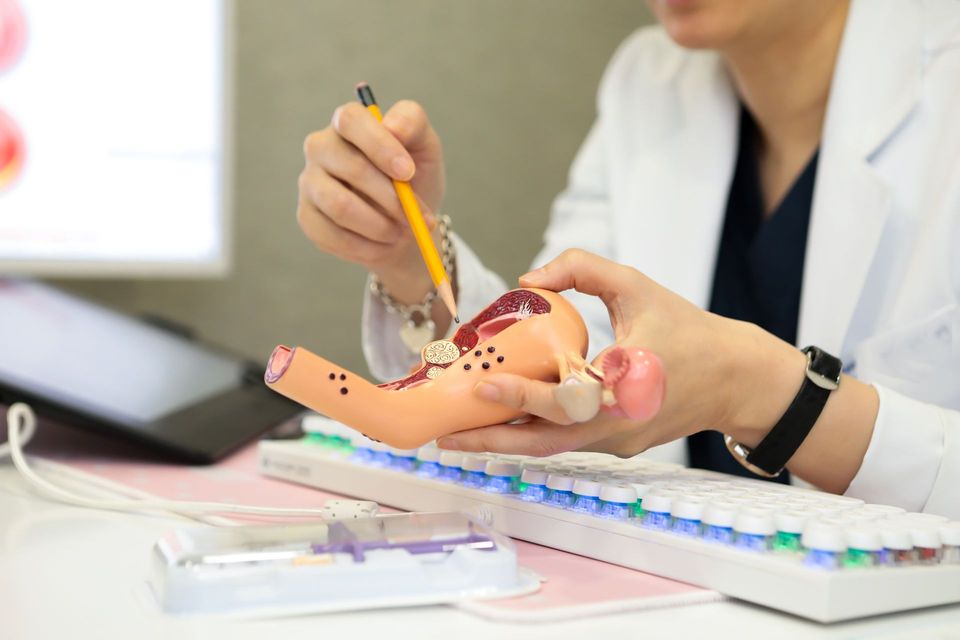
IUD insertion is a short procedure in which a doctor places a small, flexible T-shaped device inside the uterus through the cervix. Two thin threads stay at the top of the vagina so the IUD can be checked and removed later.
There are two main types. A hormonal IUD such as Mirena releases a small amount of progestogen and often makes periods lighter. A copper IUD has no hormones and can stay in place for many years, but it may make periods heavier.
Both are among the most effective forms of birth control, and fertility returns quickly once the IUD is removed.
Most women can use an IUD, including women who have never had a baby. Your doctor checks a few things first.
Message us on WhatsApp. If you have severe pain or heavy bleeding, go to the nearest emergency room.
Both are highly effective. The main difference is how they affect your periods.
Releases levonorgestrel inside the uterus. Periods usually become lighter and less painful. See Mirena for details.
Heavy or painful periodsHormone-free. Works from the day it is placed and lasts for many years, but periods may get heavier or crampier at first.
No hormonesTalk it through in a contraceptive counseling visit, which also covers the implant, pill and other methods.
Still decidingThe insertion itself takes about 5 to 10 minutes. Plan around an hour in total.
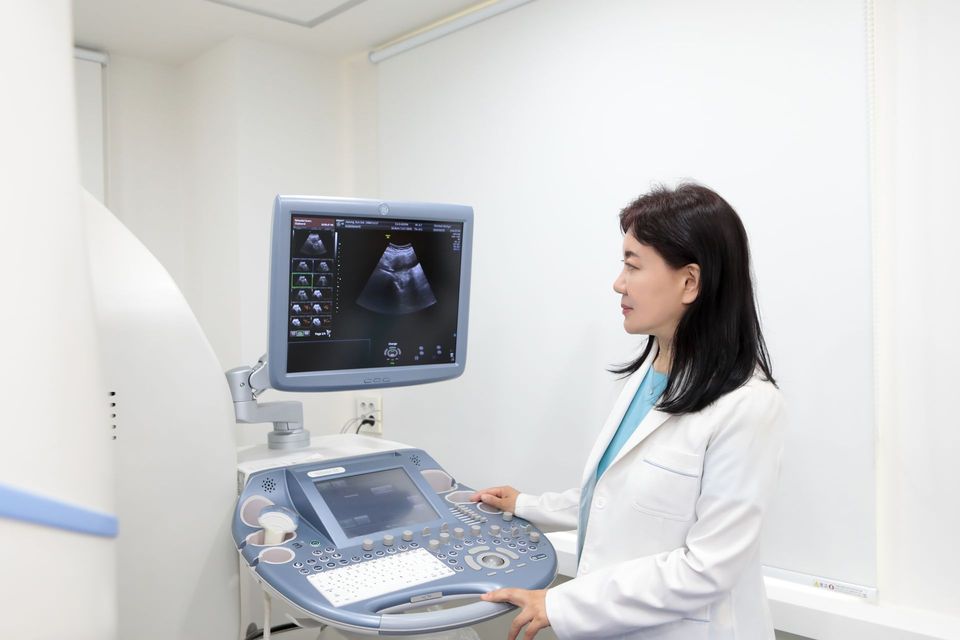
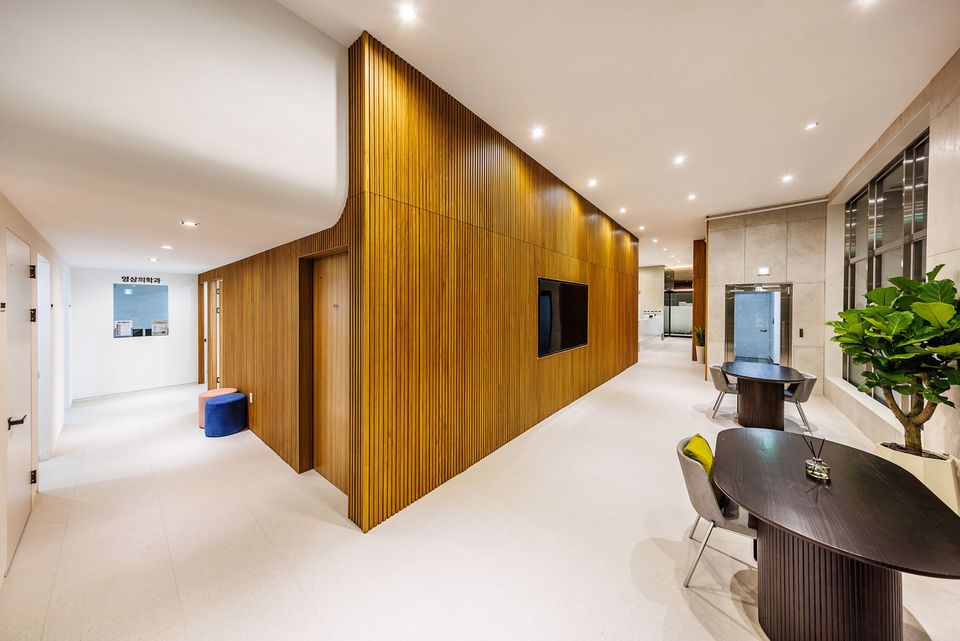
Most women feel strong period-like cramps for a short time during insertion. Your doctor tells you each step and can use local anesthetic on the cervix if needed. Some women feel faint for a moment and rest before leaving.
Cramping and spotting for a few days afterwards are common. A check-up after 4 to 6 weeks, or after your next period, is advised.
Serious problems are rare. Your doctor explains them all before insertion.
Usually settles. Irregular bleeding is common with a hormonal IUD for the first 3 to 6 months.
Happens in a small number of women, most often in the first year. Checking your threads helps you notice.
Risk is highest just after insertion. Testing for STDs beforehand lowers it.
The IUD pushes into the wall of the uterus in about 1 in 1,000 insertions. It may need a procedure to remove.
If you get pregnant with an IUD in place, which is rare, see a doctor quickly to rule out an ectopic pregnancy.
Many expats and visitors get an IUD in Seoul. Here is what to know.
Come back for your check-up and, years later, for removal or replacement at the same clinic.
Insertion can be done in one visit. If you fly home soon, your doctor tells you when to get a check at home.
Ask for an English note of the IUD type and insertion date to keep with your records.
Sinsoe Women's Clinic is at 537 Nonhyeon-ro, Gangnam-gu, Seoul, a 4-minute walk from Eonju Station Exit 7 (Line 9). All doctors are female, and an English-speaking coordinator helps you from booking to results. Message us on WhatsApp at +82-10-9517-5719.
At Sinsoe, Mirena is ₩350,000 and a copper IUD is ₩280,000, from the clinic's published fee schedule (June 2026); confirm before your visit. Ask the coordinator what the fee includes for your visit.
Most women feel strong cramps for a short time. Taking ibuprofen beforehand helps, and local anesthetic can be used. Your doctor stops if you need a break.
Yes. IUDs are safe and effective for women who have not given birth. Insertion may feel a little more uncomfortable.
A copper IUD works straight away. A hormonal IUD works straight away if inserted within 7 days of your period starting; otherwise, use condoms for 7 days.
Often, yes, if you are not pregnant and have no signs of infection. Tell the coordinator when booking so the right IUD is ready.
It depends on the type. A copper IUD can last 5 to 10 years, and Mirena several years. Your doctor tells you the replacement date for your device.
Yes. Inserted within 5 days of unprotected sex, a copper IUD is very effective emergency contraception. Message us quickly if you need it.
Tell us which IUD you're interested in and your last period date. A coordinator replies in English and confirms your time.
| Mon & Fri | 10:00 AM – 8:00 PM |
|---|---|
| Tue, Wed, Thu | 10:00 AM – 7:00 PM |
| Saturday | 10:00 AM – 4:00 PM |
| Sunday | Closed |