



Watch and retest
For high-risk HPV with normal cells, the usual plan is a repeat Pap and HPV test, often after about 12 months.
Normal Pap10 Street Name, City Name
Country, Zip Code
555-555-5555
myemail@mailservice.com
HPV (papillomavirus) treatment means managing what the virus does, because there is no medicine that removes the virus itself. At Sinsoe Women's Clinic in Gangnam, Seoul, a female OB-GYN explains your HPV DNA test result, plans follow-up with Pap smear and cervicography, and treats problems such as genital warts. Most HPV infections clear on their own within 1 to 2 years. An English-speaking coordinator keeps track of your follow-up dates.
HPV is the most common sexually transmitted virus. Most sexually active people catch it at some point, and most never know, because the immune system clears it.
There is no pill that kills HPV. Treatment focuses on what HPV causes: genital warts from low-risk types, and cell changes on the cervix from high-risk types. Regular checks catch changes early, when they are easy to treat.
Your doctor's job is to explain which type you have, how often to check, and what to do if something changes, so you can stop worrying and follow a clear plan.
HPV types behave differently. Your follow-up depends on which one you have and your Pap result.
| Result | What it usually means |
|---|---|
| Low-risk HPV (such as 6, 11) | Can cause genital warts. Does not cause cervical cancer. |
| High-risk HPV, normal Pap | Very common. Most clear within 1 to 2 years. Repeat testing, usually in about a year. |
| HPV 16 or 18 | The types most linked to cancer. Your doctor may advise a closer look at the cervix sooner. |
| High-risk HPV, abnormal Pap | Needs further checks such as cervicography or colposcopy, and sometimes treatment. |
| HPV that persists for years | Higher risk of cell changes. Closer follow-up is advised. |
A positive HPV test does not mean you or your partner were unfaithful. HPV can stay silent for years before it shows up.
Your plan depends on your HPV type, your Pap result and whether you have warts.
For high-risk HPV with normal cells, the usual plan is a repeat Pap and HPV test, often after about 12 months.
Normal PapCervicography (₩35,000 on the published fee list) photographs the cervix in detail. Colposcopy may be advised and needs to be confirmed. See colposcopy.
Abnormal Pap, HPV 16/18Genital warts are removed or treated. Higher-grade cell changes may need a procedure your doctor will explain.
Warts or cell changesBring any earlier results. Your doctor builds your plan from them.
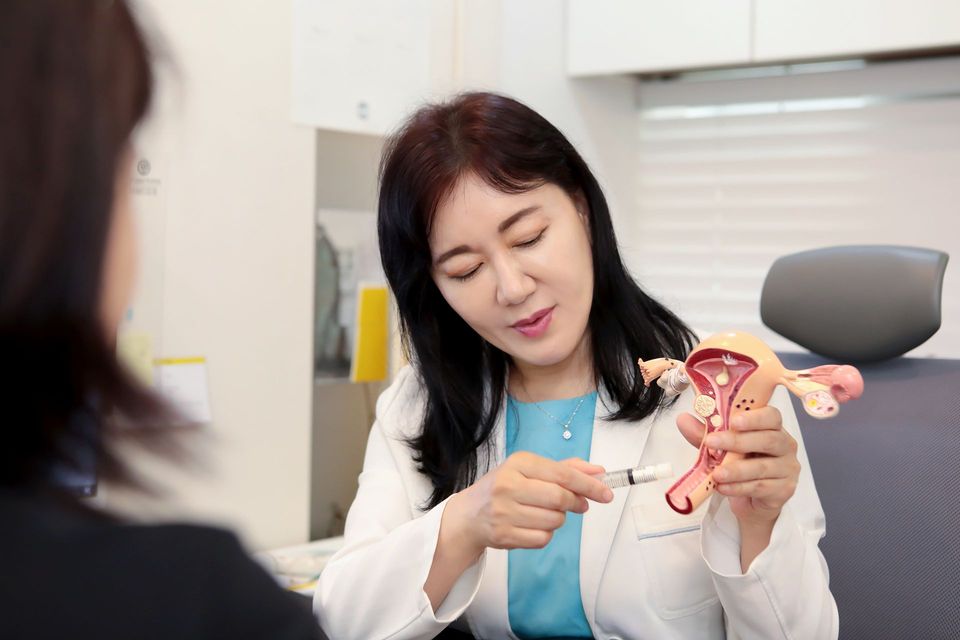

There is no routine HPV test for men, and partners usually share the virus already. Your partner does not need treatment unless they have warts or other symptoms.
Condoms lower but do not fully stop the spread of HPV.
Most women never develop a serious problem. Follow-up is about catching the few changes that matter.
Within 1 to 2 years the virus usually becomes undetectable.
Often go back to normal. Your doctor watches with repeat tests.
Treated to prevent cancer, usually with a small procedure on the cervix.
Bleeding, infection and, after some cervical procedures, a small effect on later pregnancy. Your doctor explains them.
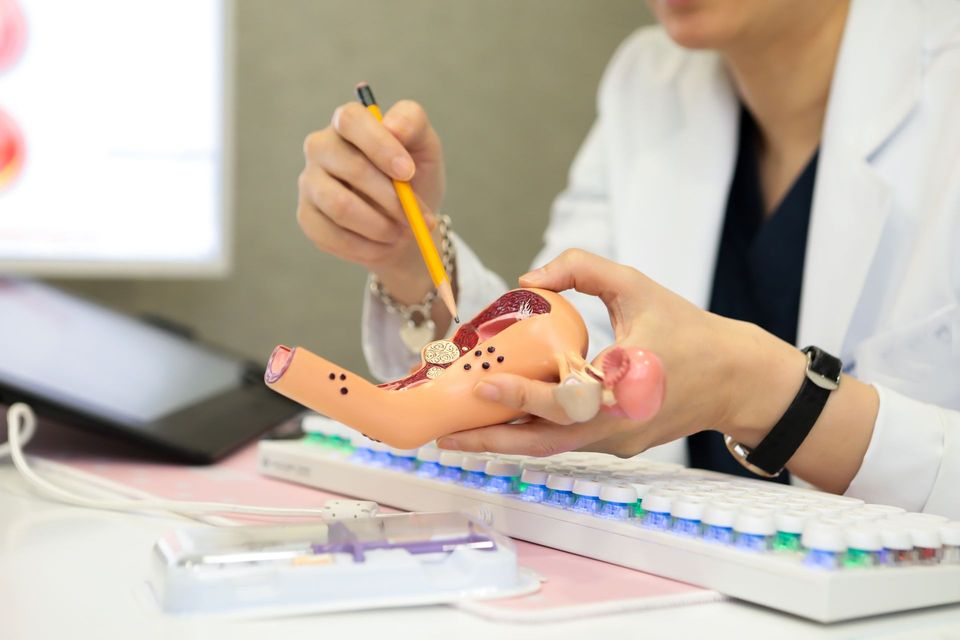
HPV follow-up often spans several months. Here is how to keep it on track while in Seoul.
Bring your Alien Registration Card. We keep your results so each test is compared with the last.
Bring your passport and any results from home. Your doctor can give a written plan to continue with your own doctor.
Ask for English test results and a medical certificate before your visit.
Sinsoe Women's Clinic at 537 Nonhyeon-ro, Gangnam-gu, Seoul manages HPV with female OB-GYNs and an English-speaking coordinator. It is a 4-minute walk from Eonju Station Exit 7 (Line 9). Book on WhatsApp at +82-10-9517-5719 or walk in during clinic hours.
There is no medicine that removes the virus, but most infections clear on their own within 1 to 2 years. Problems it causes, such as warts and cell changes, can be treated.
No. It means you have a virus that can, rarely, cause cell changes over many years. Regular checks prevent cancer.
The HPV DNA test is ₩80,000 on the clinic's published fee schedule (June 2026). Please confirm before your visit.
Often yes. It can protect you against other types. Ask your doctor.
Yes. Most partners already share it. Condoms lower the risk for new partners.
Usually again in about a year if your Pap is normal. Your doctor may advise sooner for HPV 16 or 18.
Yes. Visitors are seen as self-pay patients. Bring your passport.
Send your result and a short message in English. A coordinator replies and books a time with a female doctor.
| Mon & Fri | 10:00 AM – 8:00 PM |
|---|---|
| Tue, Wed, Thu | 10:00 AM – 7:00 PM |
| Saturday | 10:00 AM – 4:00 PM |
| Sunday | Closed |