



Lifestyle support
Regular activity, balanced meals and good sleep can improve insulin resistance. Even a small weight change can bring back ovulation for some women.
Everyone with PCOS10 Street Name, City Name
Country, Zip Code
555-555-5555
myemail@mailservice.com
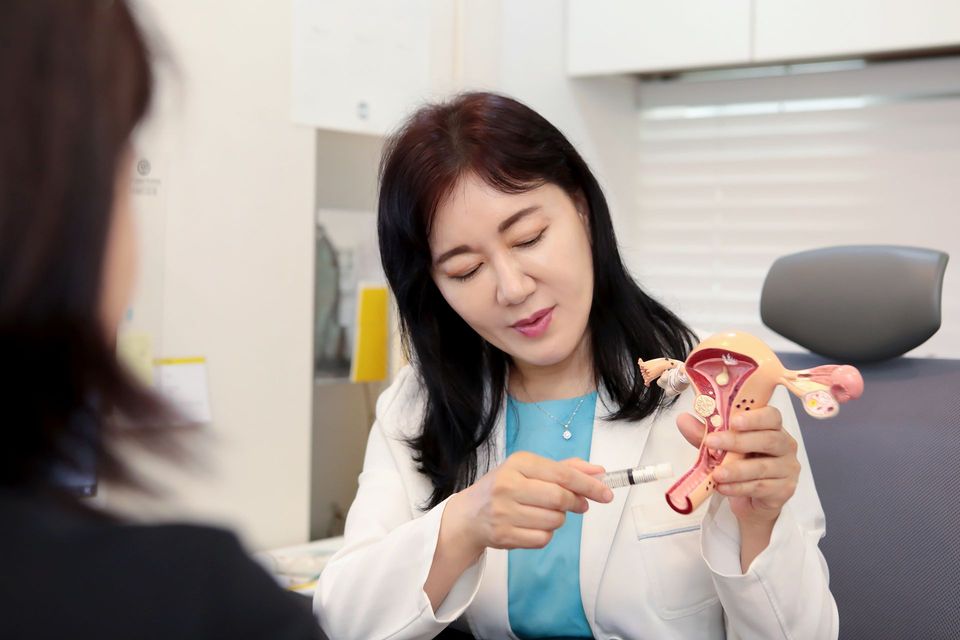
Polycystic ovary syndrome (PCOS) is a common hormonal condition that causes irregular or missing periods, signs of high male hormones such as acne or extra hair, and many small follicles on the ovaries. At Sinsoe Women's Clinic in Gangnam, Seoul, a female OB-GYN confirms the diagnosis with ultrasound and hormone tests, then builds a plan around your goals: regular cycles, clearer skin, or pregnancy. An English-speaking coordinator helps you from booking to follow-up.
PCOS is one of the most common hormonal conditions in women of reproductive age. The ovaries do not release an egg regularly, so periods become irregular or stop. Many women also have higher levels of androgens (male-type hormones).
Doctors usually diagnose PCOS when you have at least two of three signs: irregular or no ovulation, signs of high androgens on blood tests or on your skin, and many small follicles on ultrasound. Other causes, such as thyroid or prolactin problems, are ruled out first.
PCOS is long-term, but it can be managed well. It also affects health beyond periods, including insulin resistance, so a good plan looks at the whole picture.
Your plan changes with your stage of life. Tell your doctor what you want most right now.
| Your main goal | What your plan focuses on |
|---|---|
| Regular periods | Cyclic progestogen or the pill to give regular bleeds and protect the womb lining. |
| Clearer skin, less hair | Hormones that lower androgen effects, sometimes with anti-androgen medicine. |
| Getting pregnant | Checking ovulation and AMH, and help to ovulate. See infertility treatment. |
| Long-term health | Checks for blood sugar, cholesterol and blood pressure, plus lifestyle support. |
| Contraception | A method that also helps PCOS symptoms. See contraceptive counseling. |
Long gaps without a bleed can thicken the womb lining, which needs attention. Message us on WhatsApp.
Most plans combine lifestyle support with medicine. Your doctor adjusts it as your goals change.
Regular activity, balanced meals and good sleep can improve insulin resistance. Even a small weight change can bring back ovulation for some women.
Everyone with PCOSThe pill, cyclic progestogen or a hormonal IUD regulates bleeding, protects the lining and can improve acne.
Cycles and skinMetformin may help insulin resistance. If you want to get pregnant, medicines to help ovulation may be discussed.
Metabolism, fertilityA clear diagnosis is the first step. After that, follow-up visits keep your plan on track.
AMH is a hormone made by small follicles in the ovaries. Women with PCOS often have many follicles, so AMH is often higher than average. It supports the picture but does not diagnose PCOS on its own.
Published fee: AMH ₩80,000 (June 2026; confirm before your visit).
Good PCOS care looks past this month's period. These are the main areas your doctor watches.
The lining can thicken over time. Regular bleeds or progestogen protect it.
PCOS raises the risk of type 2 diabetes. Regular blood sugar checks are advised.
Checked from time to time, especially if you have gained weight.
PCOS can affect how you feel. Tell your doctor; it is part of your care.
PCOS medicines can have side effects, such as spotting and nausea with hormones, or stomach upset with metformin. The pill is not suitable for everyone, for example with some migraines or a clot history.
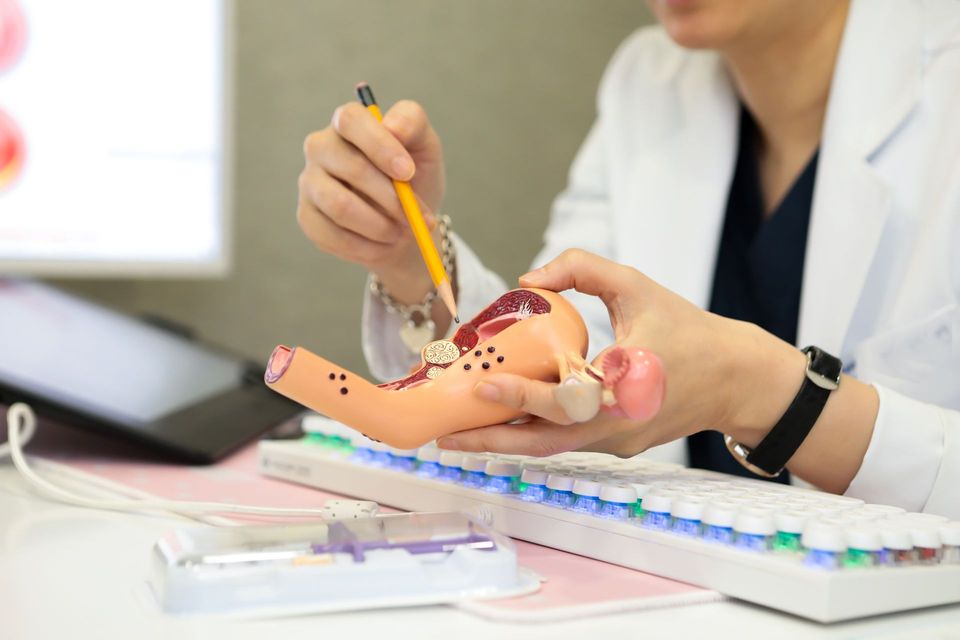
PCOS is long-term, so continuity matters. Here is how we support you.
We see you every few months at first, then less often once your plan is working.
Get tested in Seoul and leave with an English summary for your doctor at home.
Bring the name of your current pill or medicine. Your doctor can find a close match in Korea.
Sinsoe Women's Clinic is at 537 Nonhyeon-ro, Gangnam-gu, Seoul, a 4-minute walk from Eonju Station Exit 7 (Line 9). All doctors are female, and an English-speaking coordinator helps you from booking to results. Message us on WhatsApp at +82-10-9517-5719.
Usually with two of three signs: irregular ovulation, high androgens (on blood tests or as acne or extra hair), and many small follicles on ultrasound, after other causes are ruled out.
There is no cure, but symptoms can be managed well. Many women have regular cycles, clearer skin and healthy pregnancies with the right plan.
Yes. Many women with PCOS get pregnant, sometimes with help to ovulate. Tell your doctor early if pregnancy is your goal.
No. Lifestyle changes, cyclic progestogen, a hormonal IUD and metformin are other options. The choice depends on your symptoms and goals.
From the clinic's published fee schedule (June 2026): gynecologic ultrasound ₩100,000, AMH ₩80,000, TSH ₩25,000. Other hormone tests depend on your case. Confirm before your visit.
No. The 'cysts' in PCOS are many small follicles, not true cysts. They are usually harmless.
Yes. Every doctor at Sinsoe Women's Clinic is a woman.
Tell us your main symptoms and the day you'd like to come. A coordinator replies in English.
| Mon & Fri | 10:00 AM – 8:00 PM |
|---|---|
| Tue, Wed, Thu | 10:00 AM – 7:00 PM |
| Saturday | 10:00 AM – 4:00 PM |
| Sunday | Closed |