



Changes in your periods
- Periods less than 21 or more than 40 days apart
- No period for 3 months or more
- Very heavy or very light bleeding
- Bleeding between periods
- Trouble getting pregnant
10 Street Name, City Name
Country, Zip Code
555-555-5555
myemail@mailservice.com
Hormonal imbalance therapy means finding out which hormone is out of balance, and why, then treating the cause. Typical signs are irregular or missing periods, acne, extra hair growth, weight changes, tiredness or trouble getting pregnant. At Sinsoe Women's Clinic in Gangnam, Seoul, a female OB-GYN uses blood tests such as TSH (thyroid) and AMH (ovarian reserve), plus a pelvic ultrasound, to find the cause. An English-speaking coordinator helps you from booking to results.
Your hormones work like a chain of messages between the brain, thyroid, ovaries and adrenal glands. If one link sends too much or too little, the effects show up in your cycle, skin, weight, mood and energy.
In younger women, common causes are polycystic ovary syndrome (PCOS), thyroid problems, high prolactin, stress, big weight changes or very intense exercise. Stopping the pill can also reveal a cycle that was irregular all along.
Because the symptoms overlap, guessing does not work well. Testing shows which hormone is involved, so treatment can target the real cause.
One sign on its own is often nothing to worry about. Several together, or signs that last, are worth a check.
Message us on WhatsApp. If you feel very unwell, go to the nearest hospital emergency room.
Treatment follows the test results. These are the three most common paths.
Low-dose hormones, such as the pill or a progestogen, to bring back a regular cycle and protect the lining of the uterus. See menstrual regulation.
Irregular periodsLifestyle support, treatment for acne and extra hair, and help with insulin resistance where needed. See PCOS management.
PCOSIf the thyroid or prolactin is the cause, your doctor explains the result and starts treatment, or refers you to the right specialist when needed.
Thyroid, prolactinMost tests are done in one visit. Some hormones are best tested on certain days of your cycle.
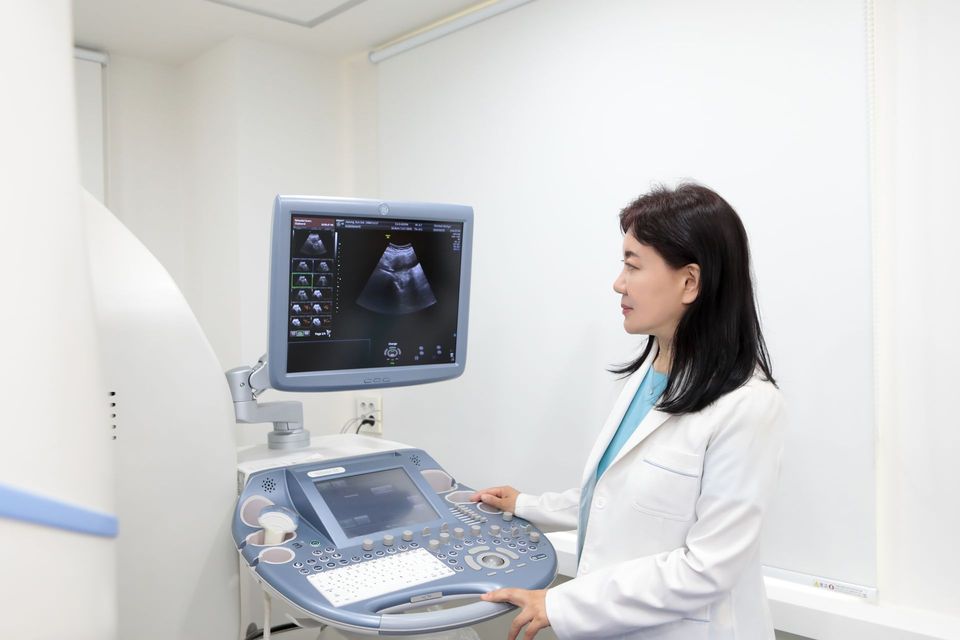
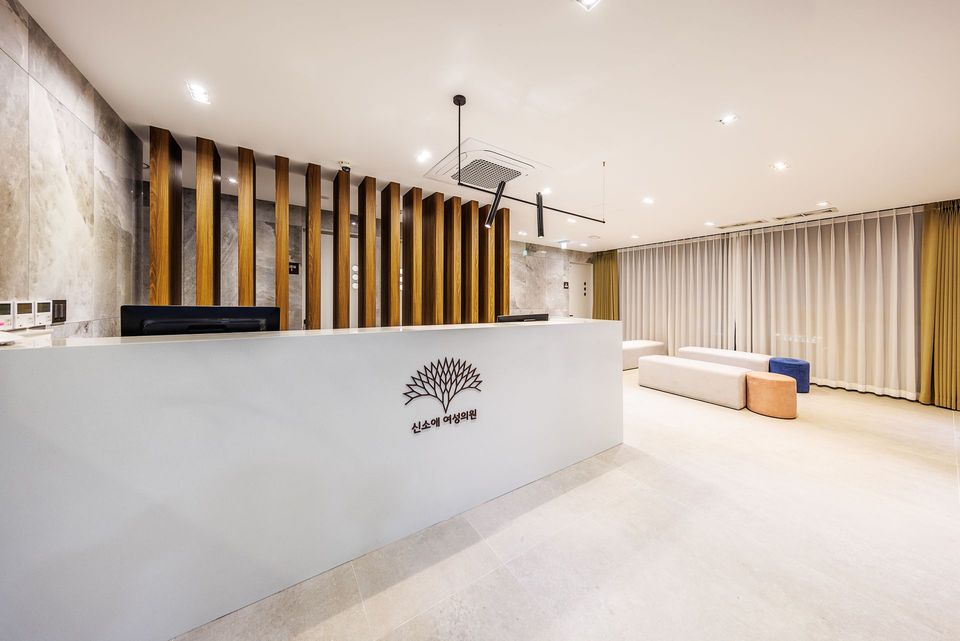
From the clinic's published fee schedule (June 2026), for patients without Korean insurance: TSH ₩25,000, AMH ₩80,000 and pelvic ultrasound ₩100,000. Please confirm before your visit.
Other hormone tests depend on what your doctor orders. The coordinator gives you an estimate first.
A single result is only part of the story. Your doctor reads it together with your symptoms and ultrasound.
An underactive or overactive thyroid can upset your cycle, weight and mood. Treatment usually brings periods back to normal.
PCOS is common and manageable. It is diagnosed when two of three signs are present: irregular cycles, high androgens, or polycystic ovaries on ultrasound.
Low AMH suggests fewer eggs left. High AMH is often seen in PCOS. AMH does not tell you whether you can get pregnant this month.
Can stop periods or cause nipple discharge. Stress and some medicines can raise it, so your doctor may repeat the test or arrange imaging.
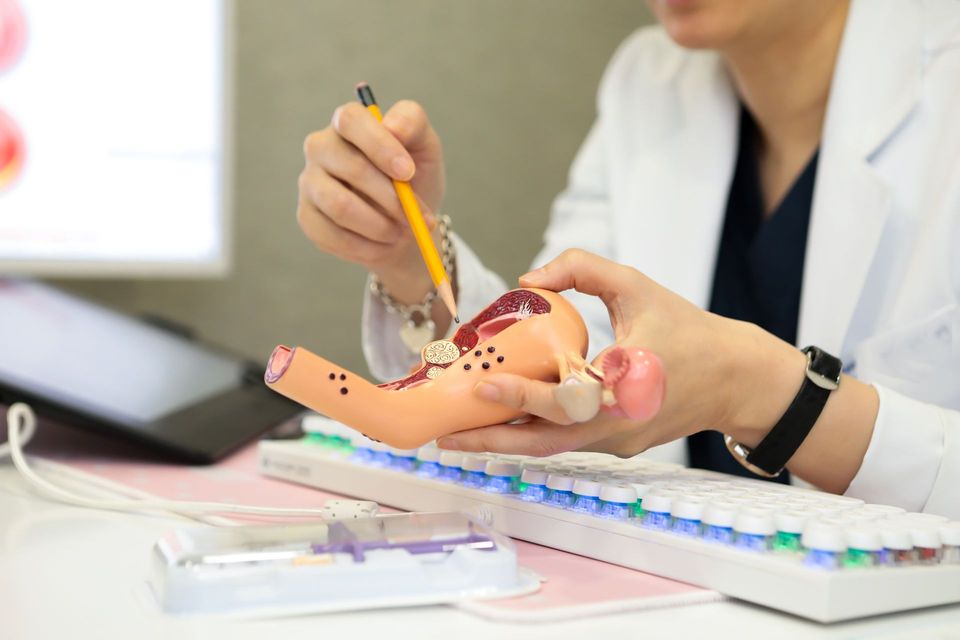
You don't need Korean insurance. A little planning helps the tests fit your cycle and your schedule.
Hormone problems often need repeat tests. Bring your Alien Registration Card, and we keep your results on file.
Message us your dates and your cycle. We help you time the tests so results are ready before you leave, or can be sent by message.
Ask for an English copy of your results or a medical certificate to share with your doctor at home.
Sinsoe Women's Clinic at 537 Nonhyeon-ro, Gangnam-gu, Seoul offers hormone testing and treatment with female doctors and an English-speaking coordinator. It is a 4-minute walk from Eonju Station Exit 7 (Line 9). Book on WhatsApp at +82-10-9517-5719.
From the clinic's published fee schedule (June 2026), a TSH thyroid test is ₩25,000 and an AMH test is ₩80,000 for patients without Korean insurance. Please confirm before your visit. Other tests depend on your symptoms.
AMH is a hormone made by small follicles in the ovaries. It gives an idea of how many eggs you have left. It is useful for family planning and in PCOS, but it does not tell you whether you can get pregnant naturally right now.
Yes. Both an underactive and an overactive thyroid can make periods irregular, heavier or lighter. A simple TSH blood test checks this.
It depends on the test. The pill changes some hormone levels but not others. Tell your doctor, and she will tell you which tests make sense for you.
Yes. Stress, poor sleep, big weight changes or very hard training can stop ovulation and make periods irregular. Your doctor still checks for other causes.
Yes. PCOS is one of the most common hormone conditions in young women. It can cause irregular periods, acne, extra hair and trouble getting pregnant, and it is very manageable.
Yes. Visitors are seen as self-pay patients. Bring your passport and message us your travel dates.
Message us in English with your symptoms and the first day of your last period. We help you pick the right day for testing.
| Mon & Fri | 10:00 AM – 8:00 PM |
|---|---|
| Tue, Wed, Thu | 10:00 AM – 7:00 PM |
| Saturday | 10:00 AM – 4:00 PM |
| Sunday | Closed |