



Treat the cause
Thyroid medicine, a PCOS plan or help with weight and stress can bring cycles back on their own.
Long-term fix10 Street Name, City Name
Country, Zip Code
555-555-5555
myemail@mailservice.com
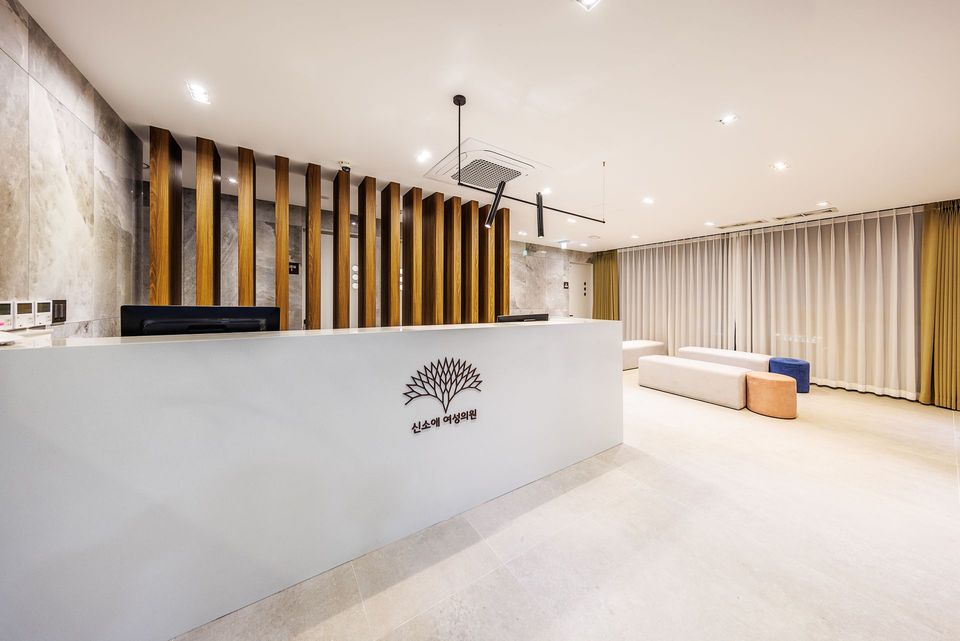
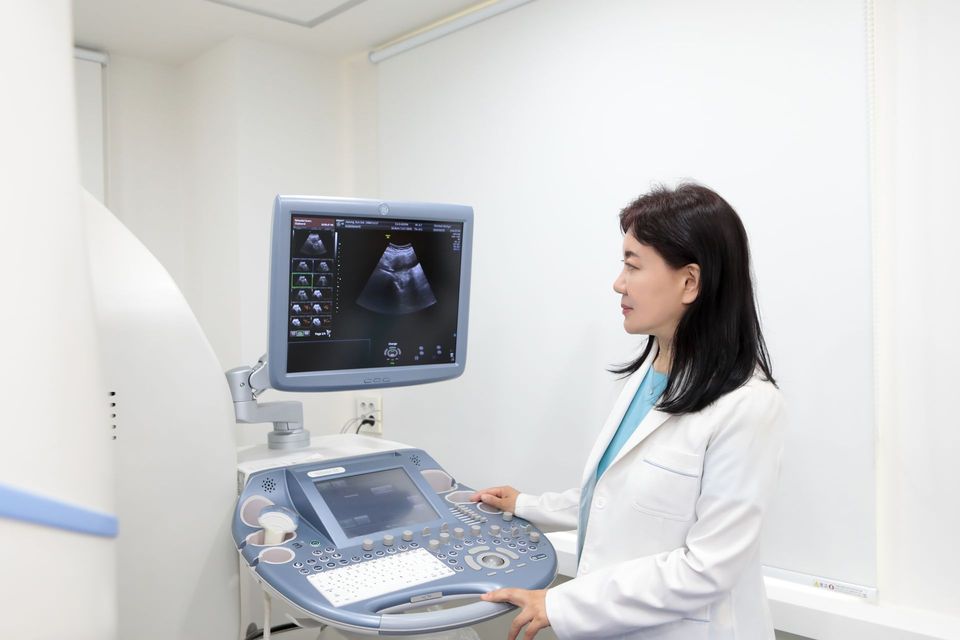
Menstrual regulation means finding out why your cycle is irregular and helping it become more predictable. A normal cycle is 21 to 40 days, with bleeding for 2 to 7 days. At Sinsoe Women's Clinic in Gangnam, Seoul, a female OB-GYN checks your hormones and ultrasound, then suggests treatment that fits your plans. You can also ask about moving a period around a trip or big event. An English-speaking coordinator helps you on WhatsApp.
Your cycle is counted from the first day of one period to the first day of the next. Cycles of 21 to 40 days are normal, and it is normal for them to vary by a few days. A cycle is called irregular when it is often shorter or longer than this, or changes a lot from month to month.
Irregular cycles usually mean ovulation is not happening on a regular schedule. Common reasons are stress, travel, weight change, PCOS, thyroid problems, and the years just after periods start or before menopause.
Menstrual regulation starts with finding the reason. Treatment can then bring back a regular rhythm, protect the womb lining, or simply give you control over when you bleed.
The way your cycle is irregular is a useful clue. Your doctor confirms the cause with tests.
| Cycle pattern | What it can mean |
|---|---|
| Shorter than 21 days (frequent periods) | A short second half of the cycle, thyroid problems, or the years before menopause. |
| Longer than 40 days (infrequent periods) | Irregular ovulation, often from PCOS, stress or weight change. |
| Varies a lot from month to month | Common in the first years of periods and before menopause. Also seen with stress and PCOS. |
| Very light or very short bleeding | Hormone levels, the pill, or occasionally scar tissue inside the uterus. |
| Longer than 7 days of bleeding | Hormonal imbalance, polyps or fibroids. See heavy bleeding treatment. |
A cycle that changes once after a long flight or a stressful month is common and usually settles by itself.
Message us on WhatsApp. If it is an emergency, go to the nearest hospital emergency room.
Your doctor suggests an approach based on the cause, your age, and whether you want to get pregnant.
Thyroid medicine, a PCOS plan or help with weight and stress can bring cycles back on their own.
Long-term fixA progestogen for part of each month, or the pill, gives you a regular, predictable bleed and protects the womb lining.
Predictable cyclesHormone tablets can sometimes delay or shift a period for a trip or event. This needs a doctor's check first, so ask well before you travel.
Travel and eventsMost women get answers in one visit. For travel timing, message us at least one to two weeks before your period is due.
Many travellers ask this. Hormone tablets taken from a few days before your period is due can often delay it, and some women on the pill skip a break. Whether this is safe depends on your health, for example blood-clot history, migraine or smoking.
Book a consultation before you travel. Your doctor checks your history and explains how to take the tablets, what to expect, and what to do if spotting starts.
Not everyone needs every test. Your doctor chooses based on your pattern.
Always checked first when a period is late or unusual.
Shows whether ovulation signals and thyroid are working. Sometimes timed to a cycle day.
Looks for PCOS-type ovaries, polyps, fibroids and the thickness of the lining. See GYN ultrasound.
If a bleed follows, the uterus and estrogen levels are working, which narrows down the cause.
Hormone tablets can cause spotting, bloating, breast tenderness or mood change. Combined hormones are not suitable for everyone because of a small increase in blood-clot risk.
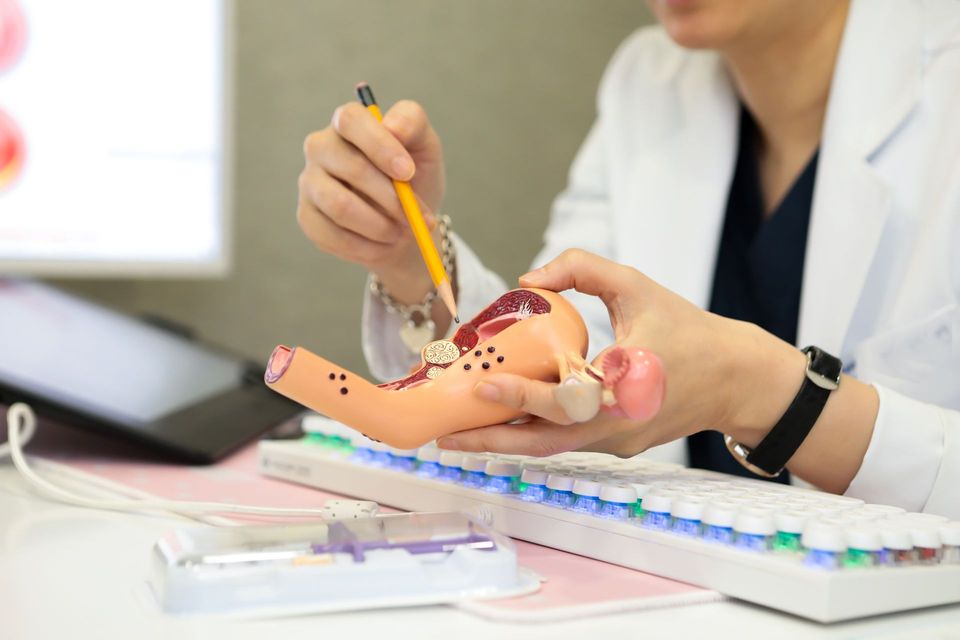
Time zones, long flights and a new routine often upset cycles. Here is how we help.
Message us one to two weeks before your period is due if you want to talk about delaying it.
A change in cycle after moving is common. If it does not settle in two or three months, get it checked.
Bring your pill packet. Brands differ in Korea, and your doctor can find a close match.
Sinsoe Women's Clinic is at 537 Nonhyeon-ro, Gangnam-gu, Seoul, a 4-minute walk from Eonju Station Exit 7 (Line 9). All doctors are female, and an English-speaking coordinator helps you from booking to results. Message us on WhatsApp at +82-10-9517-5719.
A normal cycle is 21 to 40 days from the start of one period to the start of the next, with bleeding for 2 to 7 days. Small changes from month to month are normal.
Often, yes, with hormone tablets started a few days before your period is due. It is not right for everyone, so book a consultation first and your doctor will check if it is safe for you.
Ideally one to two weeks before your period is due, so there is time for a consultation and to start the tablets on time.
Stress, jet lag, a new diet and different sleep can all upset ovulation. It often settles in a few months. If not, a check-up helps find the cause.
The pill gives you regular bleeds while you take it, but it does not fix the cause. Your doctor may still look for a reason, such as PCOS or a thyroid problem.
From the clinic's published fee schedule (June 2026): urine pregnancy test ₩10,000, gynecologic ultrasound ₩100,000, TSH ₩25,000. Confirm before your visit; the coordinator can estimate the total for your tests.
Yes, after a consultation with a doctor. Visitors pay as self-pay patients and should bring a passport.
Send your recent period dates, or your travel dates, and the day you'd like to come. A coordinator replies in English.
| Mon & Fri | 10:00 AM – 8:00 PM |
|---|---|
| Tue, Wed, Thu | 10:00 AM – 7:00 PM |
| Saturday | 10:00 AM – 4:00 PM |
| Sunday | Closed |