



Medicines
Anti-inflammatories, medicines that help blood clot during your period, or hormones such as the pill or a progestogen. Iron if you are anemic.
First step10 Street Name, City Name
Country, Zip Code
555-555-5555
myemail@mailservice.com
Heavy menstrual bleeding (menorrhagia) means periods so heavy or long that they disrupt your life, for example soaking a pad or tampon every hour, or bleeding for more than 7 days. At Sinsoe Women's Clinic in Gangnam, Seoul, a female OB-GYN looks for the cause with ultrasound and blood tests. Treatment ranges from medicine and a hormonal IUD to uterus-preserving HIFU when fibroids or adenomyosis are the cause. An English-speaking coordinator helps you throughout.
Doctors call periods heavy when the bleeding affects your daily life. Signs include changing a pad or tampon every hour or two, needing to change at night, passing clots larger than a coin, or bleeding for more than 7 days.
Heavy periods often have a cause in the uterus, such as fibroids, adenomyosis or polyps. Hormone changes, thyroid problems, some blood-clotting disorders, and a copper IUD can also make periods heavier.
Losing a lot of blood every month can cause iron-deficiency anemia, which makes you tired, short of breath and pale. Treatment can make a big difference to your energy.
Finding the cause decides the treatment. Most causes are benign and treatable.
| Cause | What it means |
|---|---|
| Fibroids | Benign muscle growths in the uterus. Size and position matter more than number. |
| Adenomyosis | Lining tissue grows into the uterine wall, causing heavy, painful periods. |
| Endometrial polyps | Small growths of the lining that can be removed. See uterine polyp removal. |
| Hormonal imbalance | Common in teenagers, with PCOS and in the years before menopause, when ovulation is irregular. |
| Other causes | Thyroid problems, blood-clotting disorders, some medicines and the copper IUD. |
Message us on WhatsApp straight away. If you feel faint or the bleeding is very heavy, go to the nearest hospital emergency room.
Most women start with medicine. If a fibroid, polyp or adenomyosis is the cause, treating it directly can help more.
Anti-inflammatories, medicines that help blood clot during your period, or hormones such as the pill or a progestogen. Iron if you are anemic.
First stepA Mirena IUD releases a small dose of hormone in the uterus and often makes periods much lighter. Published fee ₩350,000 (June 2026; confirm).
Long-term controlHIFU or RF ablation for fibroids and adenomyosis, hysteroscopic polyp removal, D&C, or fibroid surgery.
Fibroids, polypsA clear diagnosis comes first. Then you choose a treatment with your doctor.
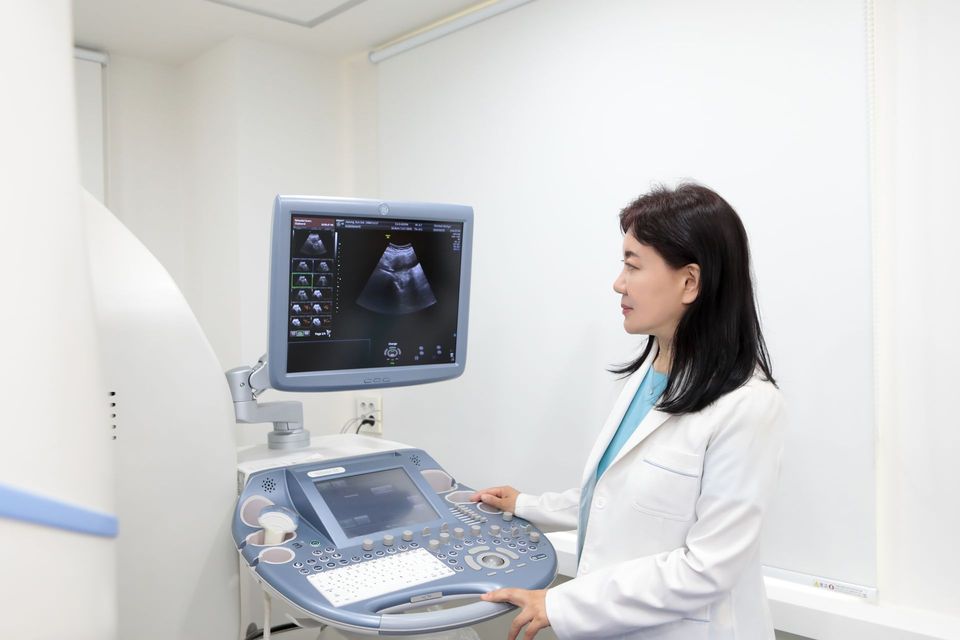
HIFU uses focused ultrasound from outside the body to heat and shrink fibroids or adenomyosis. There is no incision and you usually go home the same day. Fibroids shrink gradually over 6 months to 2 years, and bleeding often improves before that.
Published fee: from ₩5,000,000 (June 2026; confirm before your visit). Your doctor tells you if you are a candidate.
Each option has its own benefits, downsides and recovery. Your doctor helps you weigh them.
No procedure, quick to start. May cause stomach upset or hormone side effects such as spotting.
Bleeding usually much lighter after a few months. Irregular spotting at first, small risk of expulsion.
Keeps the uterus, no incision. Possible side effects include pain, skin irritation or a short discharge. Results build over months.
Removes the cause directly. Needs anesthesia and recovery time, with the usual surgical risks.
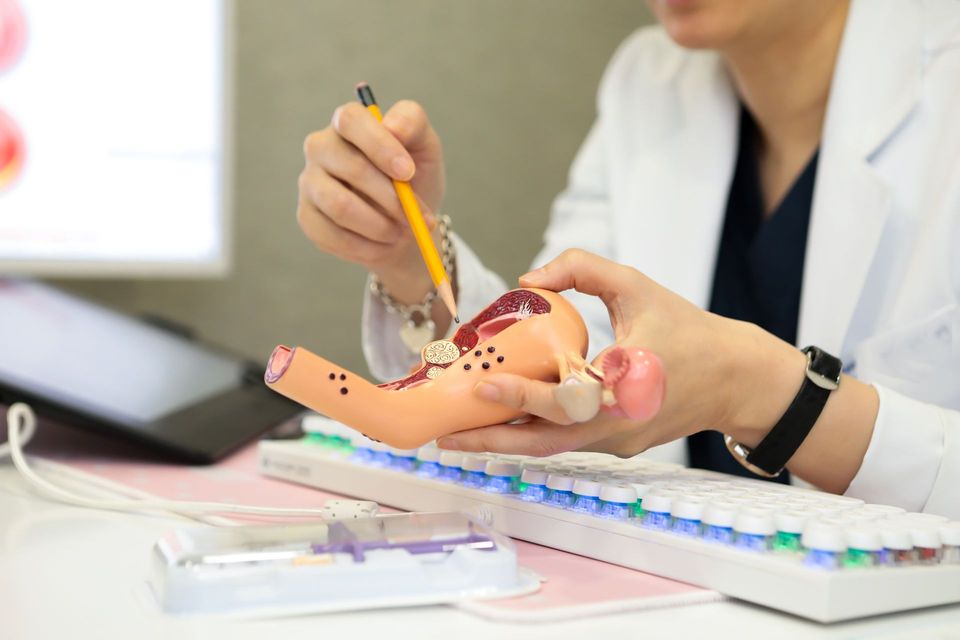
Some women come to Seoul for a uterus-preserving option. Others live here and want a long-term plan.
We follow your blood count, scans and treatment over time, in English.
Send your recent scans or MRI. The coordinator tells you which steps need you in Seoul and for how long.
Ask for an English report, receipt or medical certificate for your insurer.
Sinsoe Women's Clinic is at 537 Nonhyeon-ro, Gangnam-gu, Seoul, a 4-minute walk from Eonju Station Exit 7 (Line 9). All doctors are female, and an English-speaking coordinator helps you from booking to results. Message us on WhatsApp at +82-10-9517-5719.
If you soak a pad or tampon every 1 to 2 hours, bleed for more than 7 days, pass large clots, or feel tired and dizzy, your periods may be too heavy. A check-up is a good idea.
Yes. Losing a lot of blood every month can lower your iron. A simple blood test checks this, and iron supplements help.
Mirena makes periods much lighter for most women, and some stop bleeding altogether. It can take a few months to settle.
Often, yes. HIFU and radiofrequency ablation shrink fibroids without removing the uterus. Your doctor checks size, number and position to see if you are a candidate.
It depends on the cause. From the clinic's published fee schedule (June 2026): gynecologic ultrasound ₩100,000, Mirena ₩350,000, HIFU or RF fibroid ablation from ₩5,000,000. Confirm before your visit.
Yes. An ultrasound can still be done, and seeing the bleeding can even help your doctor.
If you soak a pad every hour for several hours or feel faint, go to an emergency room. In the clinic, emergency measures such as balloon tamponade can help control bleeding.
Tell us how heavy your periods are and the day you'd like to come. A coordinator replies in English.
| Mon & Fri | 10:00 AM – 8:00 PM |
|---|---|
| Tue, Wed, Thu | 10:00 AM – 7:00 PM |
| Saturday | 10:00 AM – 4:00 PM |
| Sunday | Closed |