



Often no disease behind it
- Started within a few years of your first period
- Cramps on the first 1 to 3 days of bleeding
- Pain eases with ibuprofen or similar medicine
- Pelvic exam and ultrasound are normal
10 Street Name, City Name
Country, Zip Code
555-555-5555
myemail@mailservice.com
Dysmenorrhea is the medical name for painful periods. It is primary when no disease is behind it, and secondary when a condition such as endometriosis, adenomyosis or fibroids causes the pain. At Sinsoe Women's Clinic in Gangnam, Seoul, a female OB-GYN checks which type you have with a pelvic exam and ultrasound in the same room. An English-speaking coordinator stays with you throughout.
Primary dysmenorrhea usually starts in the teenage years, soon after periods begin. The uterus makes chemicals called prostaglandins that make its muscle squeeze. The pain is worst on the first 1 to 3 days and often gets milder with age.
Secondary dysmenorrhea is pain caused by a condition in the pelvis. It often starts later in life, gets worse over the years, or lasts longer than the bleeding. Common causes are endometriosis, adenomyosis and fibroids.
Knowing the type matters. Primary pain usually responds well to medicine. Secondary pain gets better when the cause is treated.
Your doctor confirms the type with an exam and ultrasound, but the pattern of your pain is a strong clue.
Message us on WhatsApp straight away. If it is an emergency, go to the nearest hospital emergency room.
Your plan depends on the type of dysmenorrhea, how much it affects your life, and whether you want to get pregnant.
Anti-inflammatory medicines (NSAIDs) block prostaglandins. They work well when started at the first sign of your period.
Primary painThe pill, a progestogen or a hormonal IUD such as Mirena can make periods lighter and less painful.
Both typesHIFU or radiofrequency ablation for fibroids and adenomyosis, sclerotherapy for endometriomas, or laparoscopy for endometriosis.
Secondary painThe goal of the first visit is to find out whether something is causing your pain.
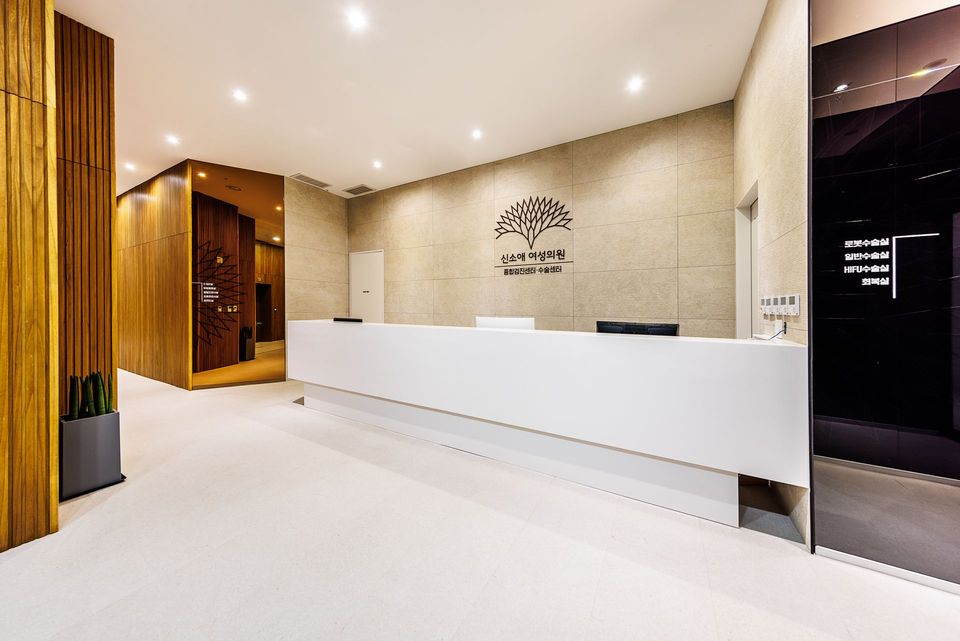
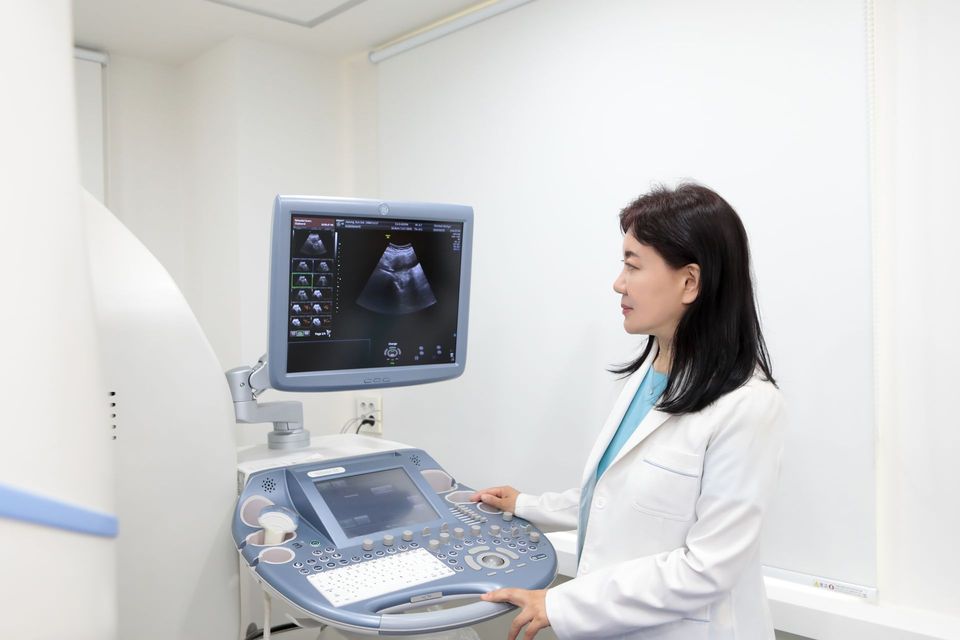
You can come at any point in your cycle. Some findings, like ovarian cysts, are easier to judge at certain times, so your doctor may ask you to come back for a second scan.
If you are in pain right now, tell us. We try to see you soon.
These three conditions are the most common reasons for secondary dysmenorrhea. They can also appear together.
Pain before and during periods, pain with sex. Can affect fertility. Treated with hormones or laparoscopy. See endometriosis treatment.
A large, tender uterus with heavy, painful periods. Hormones, a hormonal IUD or HIFU can help.
Heavy bleeding, pressure and cramps. Options include HIFU, RF ablation and fibroid removal.
Can be drained with sclerotherapy, which keeps the ovary. See ovarian cyst treatment.
Every treatment has side effects. Hormones can cause spotting or mood change, and procedures carry small risks such as infection or bleeding. Your doctor explains them before you decide.
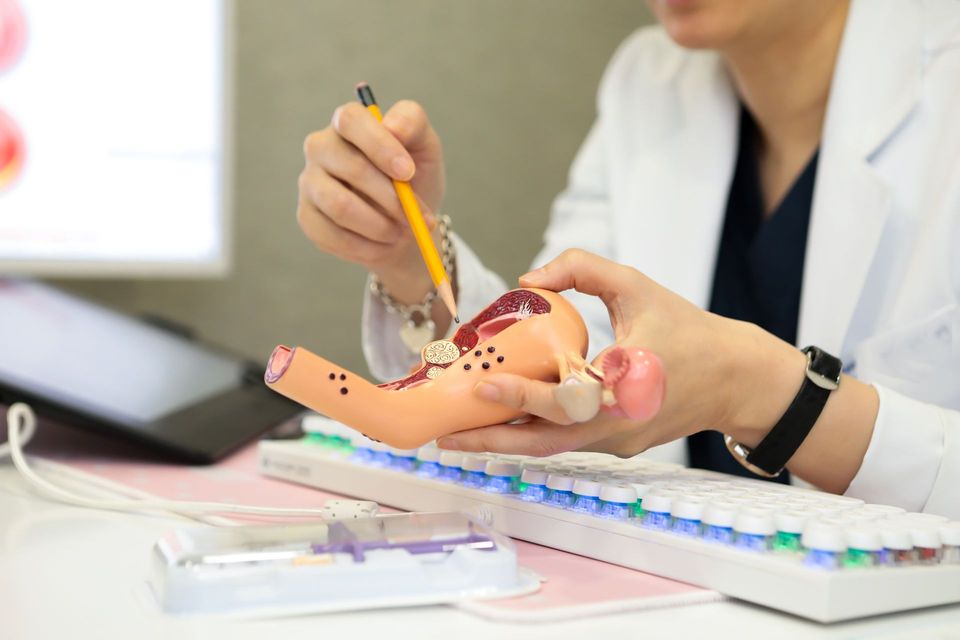
Whether you live here or are staying for a short time, you can get a clear answer in English.
Endometriosis and adenomyosis need regular checks. We keep your scans so changes are easy to compare.
Bring earlier scans or reports. Your doctor can review them together with a new ultrasound.
Ask for an English ultrasound report or medical certificate for your doctor or insurer at home.
Sinsoe Women's Clinic is at 537 Nonhyeon-ro, Gangnam-gu, Seoul, a 4-minute walk from Eonju Station Exit 7 (Line 9). All doctors are female, and an English-speaking coordinator helps you from booking to results. Message us on WhatsApp at +82-10-9517-5719.
Primary dysmenorrhea is period pain without an underlying disease. Secondary dysmenorrhea is caused by a condition such as endometriosis, adenomyosis or fibroids.
Ultrasound can show endometriomas (ovarian cysts) and signs of adenomyosis and fibroids. Small endometriosis spots may not show, so diagnosis can also rely on your symptoms or, in some cases, laparoscopy.
From the clinic's published fee schedule (June 2026), a gynecologic ultrasound is ₩100,000; confirm before your visit. The total depends on your consultation and tests, and the coordinator can give you an estimate.
Period pain that stops you from working, studying or sleeping is not something you have to accept. It is a good reason to get checked.
Often, yes. Hormones, a hormonal IUD, or HIFU, which uses focused ultrasound with no incision, are uterus-preserving options. Your doctor tells you if you are a candidate.
Primary dysmenorrhea does not. Some causes of secondary dysmenorrhea, such as endometriosis, can make it harder to get pregnant.
Primary dysmenorrhea often eases after childbirth or with age. Secondary dysmenorrhea usually needs treatment of the cause.
Send us a short description of your pain and the day you'd like to come. A coordinator replies in English.
| Mon & Fri | 10:00 AM – 8:00 PM |
|---|---|
| Tue, Wed, Thu | 10:00 AM – 7:00 PM |
| Saturday | 10:00 AM – 4:00 PM |
| Sunday | Closed |