



Mirena may suit you if you
- Want long-term contraception
- Have heavy or painful periods
- Cannot take estrogen, for example because of migraine with aura
- Are on HRT and need womb protection
10 Street Name, City Name
Country, Zip Code
555-555-5555
myemail@mailservice.com
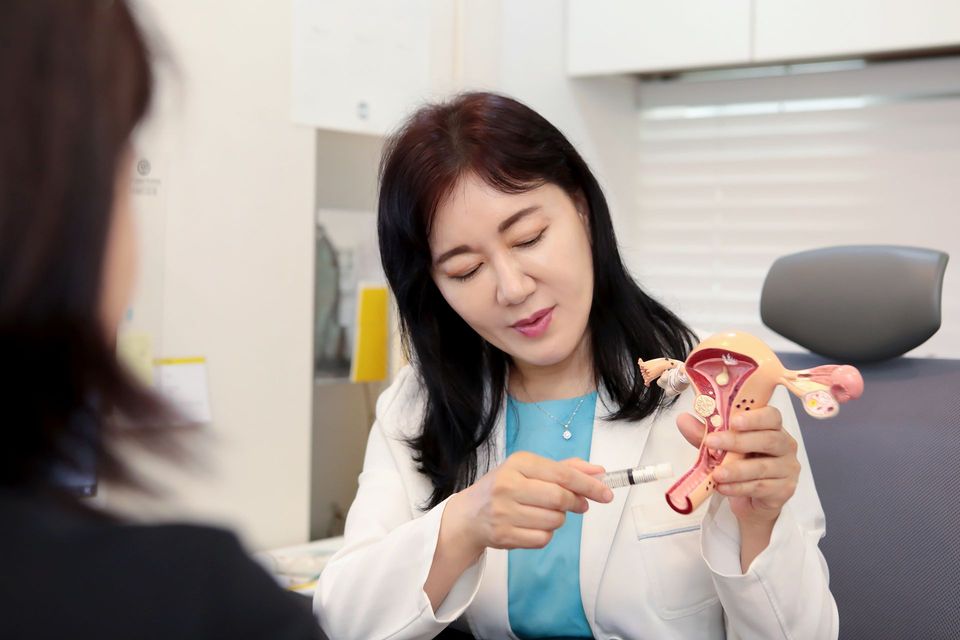
Mirena is a hormonal IUD that releases a small amount of levonorgestrel inside the uterus to prevent pregnancy for several years. It also makes periods lighter for most women, so it is used to treat heavy bleeding too. At Sinsoe Women's Clinic in Gangnam, Seoul, a female OB-GYN inserts Mirena and checks its position with ultrasound. The published fee is ₩350,000 (June 2026; confirm before your visit), and an English-speaking coordinator helps you book.
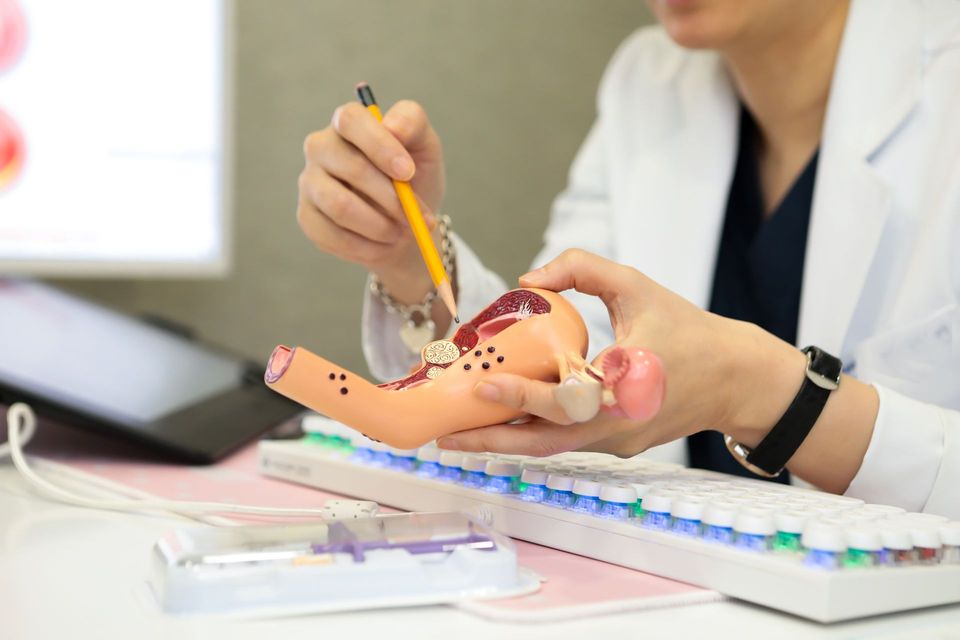
Mirena is a small, soft T-shaped device that a doctor places in the uterus. It slowly releases levonorgestrel, a progestogen hormone. This thickens the mucus in the cervix and thins the womb lining, which prevents pregnancy.
Because the hormone works mainly inside the uterus, the amount in your blood is low. Most women still ovulate. Periods usually become lighter and shorter, and some women stop bleeding altogether.
Mirena is approved for several years of contraception; the exact time depends on the country's approval. Your doctor tells you the replacement date. It can be removed any time, and fertility returns quickly.
Mirena suits many women, including those who have never had a baby. Your doctor checks your history first.
Message us on WhatsApp. If the pain is severe, go to the nearest emergency room.
All three are long-acting and more than 99% effective. They differ in hormones, periods and placement.
Hormonal IUD in the uterus. Periods usually get lighter. Published fee ₩350,000 (June 2026; confirm).
Heavy periodsHormone-free IUD that lasts many years. Periods may get heavier. Published fee ₩280,000. See IUD insertion.
No hormonesA small rod under the skin of the arm, lasting about 3 years. Bleeding is unpredictable. Published fee ₩350,000. See Implanon.
No pelvic examInsertion takes about 5 to 10 minutes. Most women go back to their day soon after.
Irregular spotting is common for the first 3 to 6 months. After that, most women have much lighter periods, and some have none. This is not harmful.
Some women notice headaches, breast tenderness, acne or mood changes, which often settle. Tell your doctor if they bother you.
Most side effects are mild and settle. Serious problems are rare.
Spotting at first, then lighter periods or no periods.
Headache, breast tenderness, acne or mood change. Ovarian cysts can form and usually go away by themselves.
The IUD slips out partly or fully, most often in the first year. Check your threads after each period.
Perforation happens in about 1 in 1,000 insertions. Infection risk is highest in the first weeks.
Mirena lasts for years, so plan where your check-ups and removal will happen.
Insertion, check-up and replacement in one place, with your records kept.
Insertion takes one visit. Get your first check-up here or with your doctor at home.
Ask for an English note with the device name and insertion date.
Sinsoe Women's Clinic is at 537 Nonhyeon-ro, Gangnam-gu, Seoul, a 4-minute walk from Eonju Station Exit 7 (Line 9). All doctors are female, and an English-speaking coordinator helps you from booking to results. Message us on WhatsApp at +82-10-9517-5719.
At Sinsoe Women's Clinic, Mirena is ₩350,000, from the clinic's published fee schedule (June 2026); confirm before your visit. Ask the coordinator what the fee includes.
Mirena is approved for several years of contraception. The exact time depends on the country's approval and your situation, and your doctor tells you your replacement date.
For many women, periods become much lighter, and some stop. Spotting is common in the first months.
Studies have not shown a clear link, but some women notice changes. Talk to your doctor if you are worried.
Neither is better for everyone. Mirena often makes periods lighter. A copper IUD has no hormones but may make periods heavier. See IUD insertion and contraceptive counseling.
Yes, at any time. Removal is quick, and fertility usually returns soon after.
Yes. Mirena is often used to protect the womb lining when you take estrogen during menopause.
Send us your last period date and the day you'd like to come. A coordinator replies in English.
| Mon & Fri | 10:00 AM – 8:00 PM |
|---|---|
| Tue, Wed, Thu | 10:00 AM – 7:00 PM |
| Saturday | 10:00 AM – 4:00 PM |
| Sunday | Closed |