


Often fine to monitor
- Small fibroids found by chance on a scan
- No heavy bleeding, pain or pressure
- Close to menopause, when fibroids usually shrink
- An ultrasound every 6 to 12 months to check size
10 Street Name, City Name
Country, Zip Code
555-555-5555
myemail@mailservice.com
Fibroid (myoma) removal means shrinking, destroying or cutting out uterine fibroids, the common non-cancerous growths in the muscle of the uterus. At Sinsoe Women's Clinic in Gangnam, Seoul, female OB-GYNs offer HIFU with no incision, radiofrequency (RF) ablation, injection therapy, and laparoscopic or robotic myomectomy. Your fibroids are first mapped by ultrasound and sorted into one of 8 types, so the method fits your fibroid. An English-speaking coordinator stays with you from the first message to follow-up.
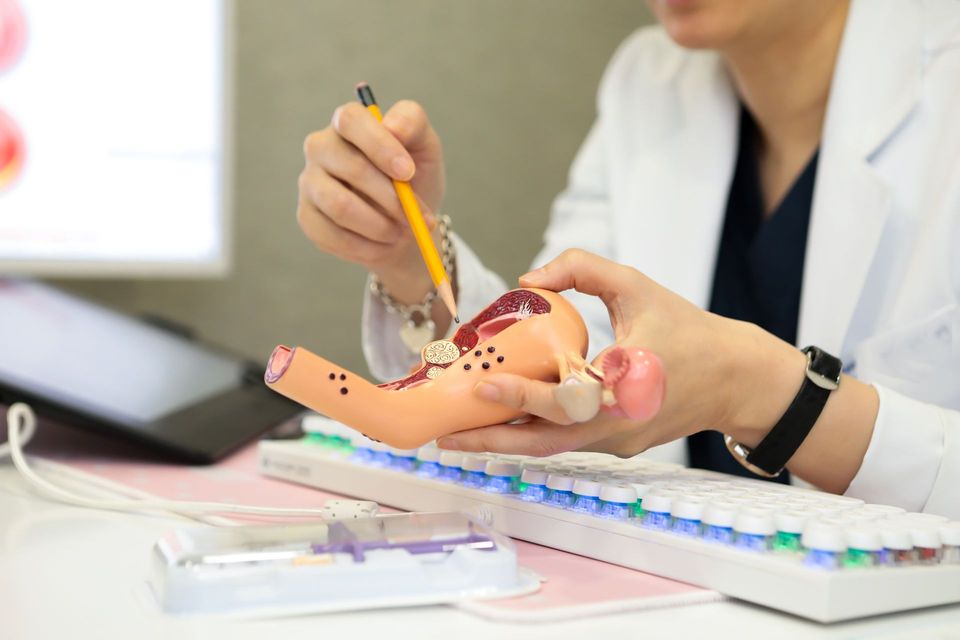
Uterine fibroids, also called myomas or leiomyomas, are benign growths of the uterine muscle. They are very common, especially in your 30s and 40s, and many cause no trouble at all.
When they do cause heavy periods, pain, pressure on the bladder or a swollen belly, treatment can help. Today, removal does not always mean surgery. Some methods destroy the fibroid with heat and let your body absorb it over months.
Which method suits you depends on the size, number and position of your fibroids, your symptoms and whether you want to get pregnant later. Your doctor explains the trade-offs of each option in plain English.
Small fibroids without symptoms are often just watched. Treatment is worth discussing when they affect your life or keep growing.
Message us on WhatsApp straight away. If it is an emergency, go to the nearest hospital emergency room.
Your doctor picks the method from your ultrasound type, fibroid size and number, and your plans for pregnancy.
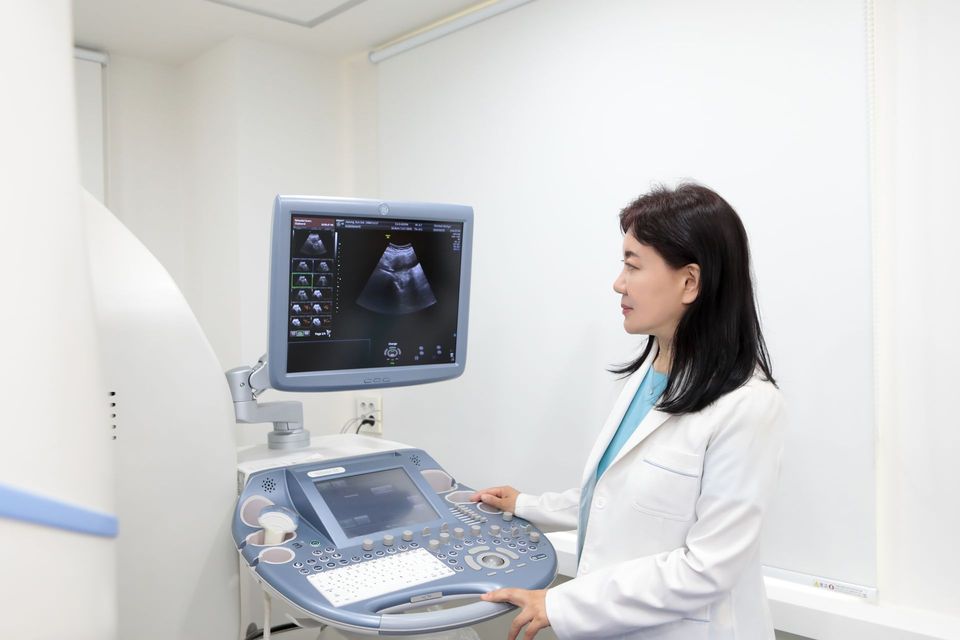
Focused ultrasound heats and destroys the fibroid through the skin of the belly, with no cut. Sinsoe uses PRO HIFU and ALPINION devices, and you go home the same day. Contrast MRI is done before and after.
Large or many fibroidsA thin needle passed through the vagina heats the fibroid from the inside in 30 to 60 minutes. Fibroids typically shrink by about 50 to 70% in volume by 6 months.
Smaller single fibroidsThe fibroid is cut out by laparoscopic or robotic surgery, or through a hysteroscope when it grows inside the cavity. See laparoscopy.
Removal in one goMost patients need two visits: one to map the fibroids, one for treatment. Visitors can often plan both around a short stay.
After HIFU or RF, most women feel mild cramps or pelvic aching for a few days and go back to desk work within 1 to 3 days. Some spotting or watery discharge is normal after RF.
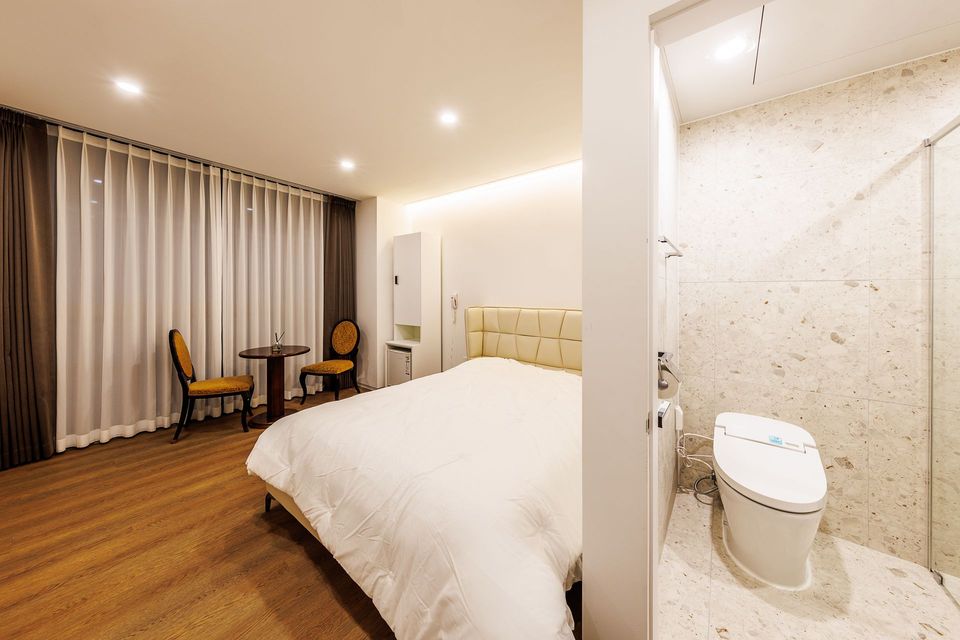
After a myomectomy, recovery takes longer, usually 1 to 2 weeks for laparoscopy. Your doctor tells you when you can exercise, have sex and try for pregnancy.
No method is right for everyone. Here is how they compare, including the side effects to know about.
Fibroid shrinks over 6 months to 2 years. Possible skin redness, belly or back pain, and rarely skin burns or nerve irritation. Not suitable for every fibroid position.
About 50 to 70% shrinkage by 6 months and symptom relief for most women. Possible cramps, discharge, and rarely infection or bleeding.
Fibroid is removed at once and checked in the lab. Surgical risks include bleeding, infection and adhesions. You may need a Cesarean in a later pregnancy.
A medicine is injected into the fibroid. Usually part of a plan with other treatments, not a stand-alone cure.
New fibroids can grow after any method except hysterectomy. Your doctor explains what is right if you want to get pregnant.
Many women come to Seoul for a uterus-preserving option they could not get at home. Here is how to plan it.
Bring your Alien Registration Card. Follow-up scans are done in the same clinic, so your doctor can compare each one.
After HIFU or RF, most women can fly after a few days of rest. After surgery, plan at least 1 to 2 weeks in Seoul. Your doctor confirms when it is safe to fly.
Ask for an English medical certificate and your scan reports so your home doctor can continue follow-up.
Sinsoe Women's Clinic at 537 Nonhyeon-ro, Gangnam-gu, Seoul treats fibroids with HIFU, RF ablation and surgery, by female OB-GYNs with an English-speaking coordinator. It is a 4-minute walk from Eonju Station Exit 7 (Line 9). Book on WhatsApp at +82-10-9517-5719.
From the clinic's published fee schedule (June 2026), HIFU for fibroids starts from ₩5,000,000 and RF fibroid ablation from ₩5,000,000. The final cost depends on the size and number of fibroids. Confirm before your visit.
Often, yes. HIFU uses focused ultrasound through the skin, and RF ablation uses a thin needle through the vagina. Neither leaves a scar on your belly.
RF ablation usually suits smaller fibroids. HIFU is often better for fibroids over 10 cm or for several fibroids. Your doctor decides after mapping them by ultrasound.
You may feel warmth, pressure or cramping during treatment, and you are given medicine to stay comfortable. Mild pain for a few days afterwards is common.
Many women do. Talk to your doctor before choosing, because the best method depends on your fibroid and your timing. After a myomectomy you may be advised to wait before trying.
The treated fibroid rarely regrows, but new fibroids can appear until menopause. A yearly ultrasound keeps track.
Yes. Visitors pay self-pay. Send your scans and travel dates on WhatsApp, and the coordinator helps plan the visit and recovery days.
Send your symptoms and any scan reports in English. A coordinator replies with a time for an ultrasound and consultation with a female OB-GYN.
| Mon & Fri | 10:00 AM – 8:00 PM |
|---|---|
| Tue, Wed, Thu | 10:00 AM – 7:00 PM |
| Saturday | 10:00 AM – 4:00 PM |
| Sunday | Closed |