



Hormone therapy
A progestogen course can bring on a bleed and protect the womb lining. Cyclic hormones or the pill can give you a regular cycle again.
Hormonal causes10 Street Name, City Name
Country, Zip Code
555-555-5555
myemail@mailservice.com
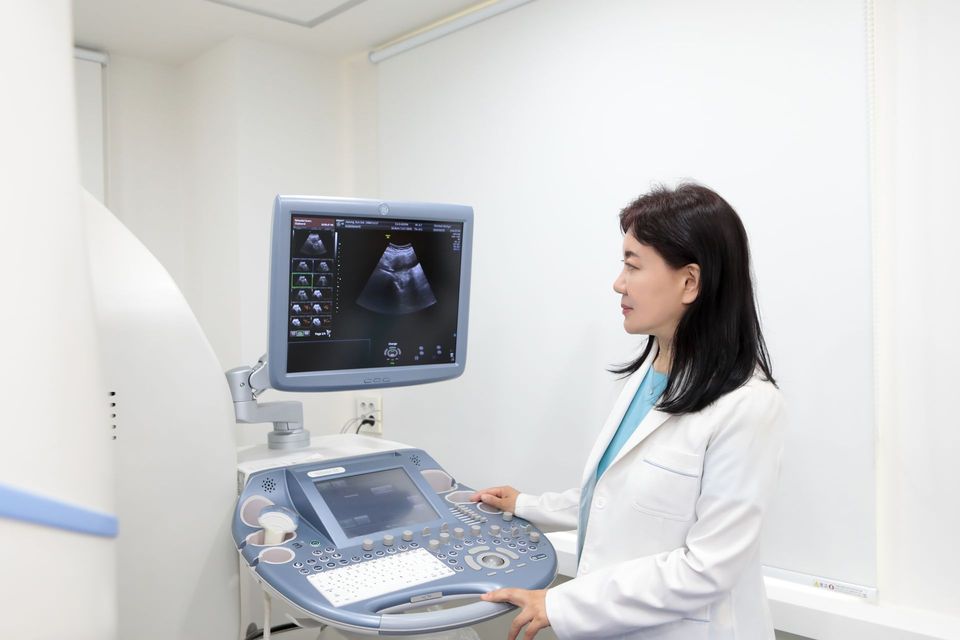
Amenorrhea means your periods have stopped or never started. At Sinsoe Women's Clinic in Gangnam, Seoul, a female OB-GYN looks for the reason with a pregnancy test, hormone blood tests and a pelvic ultrasound, often in one visit. Treatment then depends on the cause, from hormone therapy to managing PCOS or a thyroid problem. An English-speaking coordinator helps you from your first message to your results.
Amenorrhea is the medical word for missing periods. Doctors call it secondary amenorrhea when periods stop for 3 months or more in a woman who used to have regular cycles, or for 6 months if her cycles were irregular. Primary amenorrhea means periods have not started by about age 15.
The most common cause is pregnancy, so that is always checked first. After that, the usual causes are hormonal: stress, weight change or hard training can switch off ovulation, and so can PCOS, thyroid disease or a high prolactin level.
Missing periods are a sign, not a disease. Treatment works on the cause, and many women get their cycle back once the cause is found.
Your story helps your doctor narrow down the cause before any test. Here are common patterns we see.
| Your pattern | What it can point to |
|---|---|
| Period late, recent unprotected sex | Pregnancy first. A urine or blood hCG test gives a clear answer. |
| Stopped after stress, dieting or heavy training | Hypothalamic amenorrhea, where the brain pauses the signals to the ovaries. |
| Long gaps for years, acne or extra hair | Possible PCOS, the most common hormonal cause in young women. |
| Hot flushes, night sweats, under 40 | Early menopause (premature ovarian insufficiency). Hormone tests and AMH help check. |
| Stopped after a D&C or miscarriage care | Scar tissue inside the uterus, which can be looked at with hysteroscopy. |
| Milky discharge from the nipples | A high prolactin level, which a blood test can confirm. |
This table is a guide only. Your doctor will confirm the cause with tests.
If it is an emergency, go to the nearest hospital emergency room.
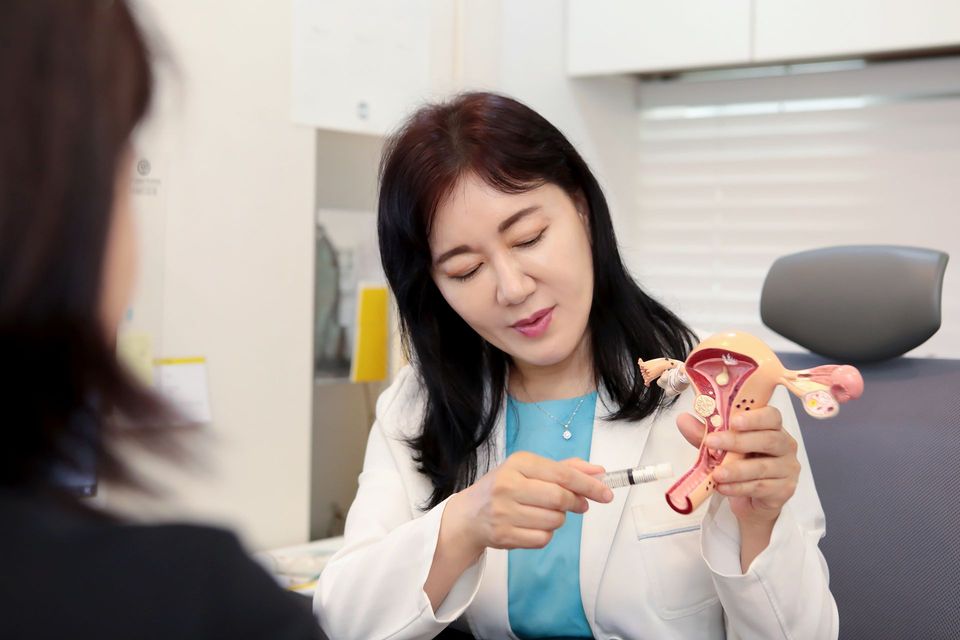
There is no single treatment for missing periods. Your doctor chooses one based on the cause and on whether you want to get pregnant soon.
A progestogen course can bring on a bleed and protect the womb lining. Cyclic hormones or the pill can give you a regular cycle again.
Hormonal causesThyroid or prolactin medicine, a PCOS plan, or support with weight, stress and training. See hormonal imbalance therapy.
Thyroid, PCOS, stressIf scar tissue or a structural problem blocks the uterus, a short procedure such as hysteroscopy may be suggested.
Scar tissueMost of the tests can be done on the same day, so you leave with answers or a clear plan.

You take progestogen tablets for several days. If you have a bleed within about a week after stopping, your ovaries are making estrogen and the uterus and outflow are working. If no bleed comes, your doctor looks for other causes.
It is simple, done at home, and helps decide the right treatment.
Each result points to a different plan. Your doctor goes through yours with you.
Your doctor talks you through next steps. See prenatal care.
A long-term plan to protect the womb lining and regulate cycles.
Medicine usually brings periods back within a few months.
Hormone support protects your bones and heart, and the cause is treated.
Possible side effects of hormone tablets include breast tenderness, bloating, mood change and spotting. Your doctor checks your health history before prescribing.
Moving country, jet lag and a new routine can all upset your cycle. We see this often.
Stress and life changes are common causes. A check-up rules out other reasons and puts your mind at rest.
Most tests are done in one visit. Blood results can be sent to you on WhatsApp.
Ask for an English copy of your results or a medical certificate for your doctor back home.
Sinsoe Women's Clinic is at 537 Nonhyeon-ro, Gangnam-gu, Seoul, a 4-minute walk from Eonju Station Exit 7 (Line 9). All doctors are female, and an English-speaking coordinator helps you from booking to results. Message us on WhatsApp at +82-10-9517-5719.
If you used to have regular periods and have had none for 3 months, see a doctor. If you are not pregnant and have no period for 6 months with irregular cycles, also get checked.
Stress, weight change, hard exercise, PCOS, thyroid problems and high prolactin are common reasons. Tests help find which one applies to you.
From the clinic's published fee schedule (June 2026): urine pregnancy test ₩10,000, blood β-hCG ₩30,000, gynecologic ultrasound ₩100,000, TSH ₩25,000 and AMH ₩80,000. Confirm before your visit, and ask the coordinator for an estimate for your tests.
If you are not ovulating, it can be harder to get pregnant. Many causes are treatable. Tell your doctor if you plan to get pregnant so the plan fits that goal.
Missing periods themselves are not dangerous, but the cause can matter. Low estrogen can weaken bones, and long gaps without a bleed can thicken the womb lining.
A short course of progestogen often starts a bleed, but it does not fix the cause. Your doctor checks first so treatment is safe for you.
Yes. Visitors pay as self-pay patients. Bring your passport.
Tell us when your last period was and the day you'd like to come. A coordinator replies in English.
| Mon & Fri | 10:00 AM – 8:00 PM |
|---|---|
| Tue, Wed, Thu | 10:00 AM – 7:00 PM |
| Saturday | 10:00 AM – 4:00 PM |
| Sunday | Closed |